
To compare material performance and extend efficiency beyond your windows, read our blogs, Vinyl vs Aluminum Windows and Energy Efficient Patio Doors, and see how the right choices maximize comfort and savings year round.
If you are replacing a window, patio door, entry door, or shower enclosure, you may hear the term “safety glass.” That label covers several products, but tempered and laminated glass are two of the most common choices used in homes.
They may look similar once installed, yet they react very differently to impact. Learning how each type is made, how it breaks, and where it is commonly used makes it easier to choose the right glass for the opening.
Tempered glass is heat-treated for added strength and breaks into small, relatively blunt pieces when damaged. Laminated glass uses two or more panes bonded around a flexible interlayer that helps hold the cracked glass together.
Tempered glass is commonly selected for safer breakage and heat resistance. Laminated glass may be preferred when security, sound reduction, UV protection, or keeping damaged glass in place is a priority. Building codes and the location of the opening may also determine which type is required.
Standard glass - often called annealed glass - goes through a slow cooling process after it is formed. This process makes the glass easier to cut and shape during manufacturing, but it can break into large, sharp pieces when damaged. Those shards are where injuries happen.
Safety glass, by contrast, is engineered to break in a way that reduces the risk of serious cuts or complete structural failure. Both tempered glass and laminated glass qualify as safety glass, but they achieve that goal through completely different methods.
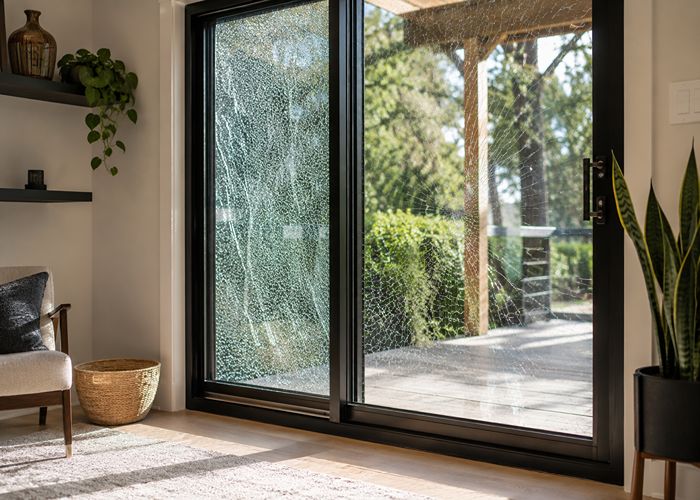
Tempered glass starts as ordinary annealed glass, then goes through a controlled heating and rapid cooling process. The outside surfaces cool more quickly than the center, creating internal compression that makes the finished glass stronger than untreated glass.
The result is architectural glass that can handle impacts and temperature changes better than regular glass. When it does break, it shatters into small, relatively blunt pieces instead of large, sharp fragments. This breakage pattern generally reduces the risk of severe cuts, although broken tempered glass should still be handled carefully.
You encounter tempered glass more often than you probably realize. In residential construction, it is commonly used in patio doors, entry doors, shower enclosures, and certain windows positioned near floors, doors, stairs, or other high-traffic areas.
Building codes may require safety glazing in these locations because accidental contact is more likely. However, the exact requirements depend on the dimensions, placement, and use of the glass.
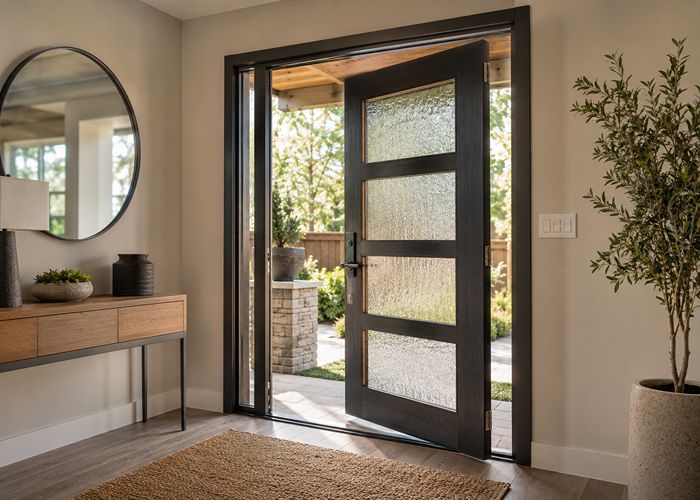
Laminated glass takes a different approach entirely. Instead of altering the glass through heat, lamination bonds two or more panes of glass together using an interlayer - most commonly polyvinyl butyral (PVB). Polyvinyl butyral is a plastic-based resin that is incredibly tough and flexible, and it is what keeps laminated glass from falling apart when it breaks.
The interlayer helps the glass remain together after an impact. The panes may crack, but many of the broken pieces stay attached to the flexible layer rather than immediately falling out of the opening.
That matters when you think about noise reduction, protection against accidental impact, added security and keeping damaged glass in place.
The most familiar example of laminated glass is your car's windshield. A windshield is designed to crack on impact without immediately collapsing inward onto the driver. That is the lamination doing its job.
A similar principle can apply when laminated glass is used in residential windows, patio doors or entry doors. Even after the glass cracks, the interlayer may help the opening remain intact until the damaged unit can be repaired or replaced.
Both products qualify as safety glass, but they serve different purposes. Here is how they compare across the most important factors.
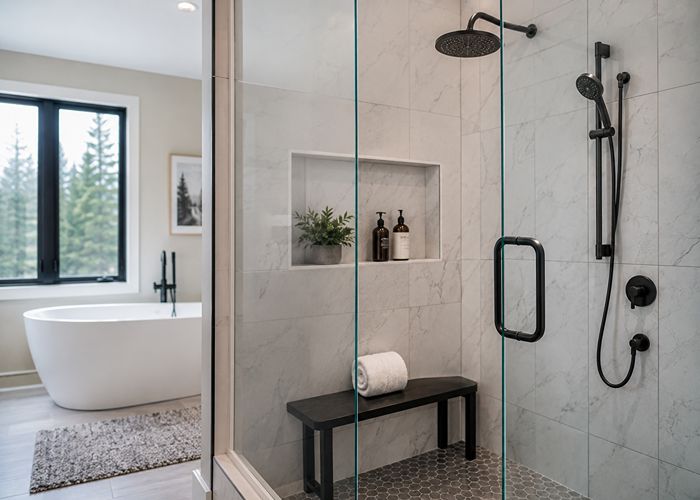
In residential construction, building codes often require approved safety glazing in areas where accidental impact is more likely. Common examples may include glass in or near doors, shower enclosures, stairways and certain low-positioned windows.
A window close to the floor does not automatically require safety glass. Code requirements can depend on several factors, including the exposed glass area, the height of the upper and lower edges, and the window's proximity to a walking surface.
Depending on the application, approved safety glazing may include tempered glass, laminated glass or another compliant product. Local requirements and project conditions can also vary, so a qualified window or door professional should confirm the appropriate glass for each opening.
The honest answer is that it depends on what you are trying to accomplish.
If you are replacing shower doors, a sliding patio door, or any glass near floor level, tempered glass is usually the standard and the right call. It meets code, it is cost-effective, and its breakage pattern minimizes injury risk.
If you are focused on security, noise reduction, UV protection, or impact resistance - especially for entry doors and windows facing the street - laminated glass is worth the additional investment. The interlayer does real work that tempered glass simply cannot replicate.
In some high-performance window systems, you will find both. A window unit might use one tempered pane and one laminated pane in an insulated glass configuration to get the benefits of both. This is increasingly common in energy-efficient replacement windows designed for variable climates.
Tempered or laminated glass is only one part of a replacement window. Most modern windows use an insulated glass unit made with multiple panes, Low-E coatings, gas fills such as argon, spacers, seals, and a durable frame system.
The right glass configuration may also vary from one opening to another. A window near a door, stairway, floor, or high-traffic area may require approved safety glazing, while a street-facing window may benefit from laminated glass for added sound control and glass retention.
Frame construction, glass coatings, spacers, gas fills, installation, and the condition of the opening all affect how the finished window performs. Comparing the complete window system is more useful than choosing tempered or laminated glass by itself.
Tempered and laminated glass are both safety-glazing options, but they solve different problems. Tempered glass breaks into smaller pieces, while laminated glass remains attached to its interlayer after cracking.
The best choice for your replacement windows depends on the location of each opening, applicable building codes, outside noise, security concerns, UV exposure, and your goals for comfort and performance. Different rooms may call for different glass configurations rather than one option throughout the entire home.
Conservation Construction has helped Colorado customers replace windows and doors since 1989. Explore our home window replacement in Denver or call 303-237-1687 to request a free estimate and compare the glass, frame, and energy-saving options available for your home.
If you're researching ways to improve your home's comfort and lower your utility bills, you’ve likely come across the term energy efficient windows. But what are energy-efficient windows, and why do so many homeowners consider them a smart investment? These windows are designed with advanced features that help reduce heat transfer, keeping your indoor spaces more stable in temperature throughout the year. With rising energy costs and unpredictable weather—especially in places like Colorado—energy efficiency has become a top priority for many households. Unlike standard windows, which often allow heat to escape or enter freely, energy-efficient models use multiple panes of glass, insulating gas fills, and special coatings that work together to improve performance. Whether you're building a new home or considering replacing old windows, understanding how these windows function and their benefits can help you make a more informed choice.
What are energy-efficient windows? Learn how they reduce energy costs, improve comfort, and protect your home year-round. See why they’re a smart investment for Colorado homeowners.
In this post, we’ll break down how energy-efficient windows work, the features that matter most, and what to look for when choosing the right options for your home.

Energy-efficient windows are built with specific technologies that reduce heat transfer, helping your home stay cooler in the summer and warmer in the winter. These windows do more than just add a modern look—they actively work to lower energy use and improve indoor comfort. Let’s look at the three main components that contribute to their performance.
The insulated glass unit, or IGU, is at the core of an energy-efficient window. These units use two or three panes of glass instead of one, creating layers that act as barriers to heat transfer. Each pane slows down the amount of heat that passes through the window.
Between these panes, a safe, invisible gas—typically argon or krypton—fills the space. This gas is denser than air and adds insulation, helping to reduce heat loss in the winter and heat gain during the summer. Together, the multiple panes and gas fills form a powerful layer of defense against outdoor temperatures.
Low-emissivity (Low-E) coatings are another key feature found in energy-efficient windows. These microscopic coatings are applied to the glass surface and help reflect infrared light, the heat energy that can warm up your home on sunny days.
By reflecting this heat away from your home in the summer and keeping it inside during the winter, Low-E coatings help maintain a consistent indoor temperature. They also reduce the harmful UV rays that pass through, protecting flooring, furniture, and artwork from fading over time.
The type of frame surrounding the glass is important in how well the window performs. Materials like vinyl, fiberglass, and composite are popular for energy-efficient windows because they offer strong thermal resistance and long-term durability.
Vinyl frames are cost-effective and provide solid insulation, while fiberglass and composite frames tend to be stronger and more stable in fluctuating temperatures. Regardless of the material, a well-constructed frame with proper sealing helps prevent air leaks and drafts, essential for maintaining efficiency and keeping your home comfortable year-round.
Not all energy-efficient windows are created equal. To get the best performance, it’s important to understand which features contribute to energy savings. These key elements can help you compare options and make a more informed decision when upgrading.
One of the simplest ways to spot a quality window is by checking for the Energy Star label. This government-backed certification is awarded to products that meet strict energy efficiency guidelines based on your climate zone. Windows with this label are tested for performance and help reduce energy usage without sacrificing functionality or style.
Two of the most important performance ratings to understand are the U-factor and the Solar Heat Gain Coefficient (SHGC). The U-factor measures how well a window keeps heat from escaping your home. Lower numbers indicate better insulation. SHGC measures how much solar heat is allowed through the glass. In warmer climates, a lower SHGC helps keep interiors cooler. A well-balanced window will have ratings that fit the specific energy needs of your region.
Even the best glass won't perform well if the components holding it together are weak. High-quality spacers between the panes help maintain the correct distance and improve thermal insulation. Durable seals prevent air leakage and keep insulating gases locked in. Over time, these small details play a big role in how efficiently your windows perform and how long they last.

Upgrading to energy-efficient windows offers environmental benefits and direct improvements to your home’s comfort, value, and daily livability. From saving on utility costs to creating a quieter, more enjoyable space, the advantages are easy to see once these high-performing windows are in place.
One of the biggest reasons homeowners switch to energy-efficient windows is the noticeable impact on heating and cooling costs. With insulated glass, low-E coatings, and tighter seals, these windows help your HVAC system work less by reducing heat transfer. That means lower monthly bills and less strain on your home’s energy usage throughout the year.
Temperature swings can make certain rooms uncomfortable or hard to use. Energy-efficient windows help regulate indoor temperatures by blocking excess heat in the summer and retaining warmth in the winter. The result is a more stable, comfortable environment in every room, no matter the season.
Harmful UV rays don’t just affect your skin—they can also fade hardwood floors, furniture, rugs, and artwork. Low-E coatings on energy-efficient windows reduce UV penetration, helping protect the things you love inside your home while still letting in plenty of natural light.
Energy-efficient windows also help reduce unwanted outside noise. Multiple panes of glass and gas fills create a barrier that reduces sound transfer, making your home quieter and more peaceful. This is especially valuable if you live near a busy street, school, or airport.

Living in Colorado means dealing with a climate that changes fast and often. Homeowners experience everything from snowstorms to intense summer heat—sometimes within the same week. That makes window performance critical to maintaining a comfortable, energy-efficient home throughout the year.
Colorado’s dramatic weather shifts can seriously strain heating and cooling systems. Energy-efficient windows help ease that burden by minimizing heat loss in the winter and limiting heat gain in the summer. Their multi-pane construction and insulating features stabilize indoor temperatures, reducing the need to adjust the thermostat constantly.
Homes at higher elevations or with lots of sun exposure face added challenges regarding UV rays and insulation. Low-E coatings on energy-efficient windows reflect solar heat without blocking natural light, which helps reduce indoor glare and keeps rooms cooler. Combined with insulating gas fills and quality frames, these windows offer the year-round thermal protection Colorado homes demand.
Not all windows are built for mountain weather. Colorado homeowners benefit from window systems specifically designed for the region’s conditions. From frame materials that resist warping to seals that hold strong through freeze-thaw cycles, energy-efficient windows built for Colorado help reduce energy costs, increase comfort, and protect your investment in the long run.
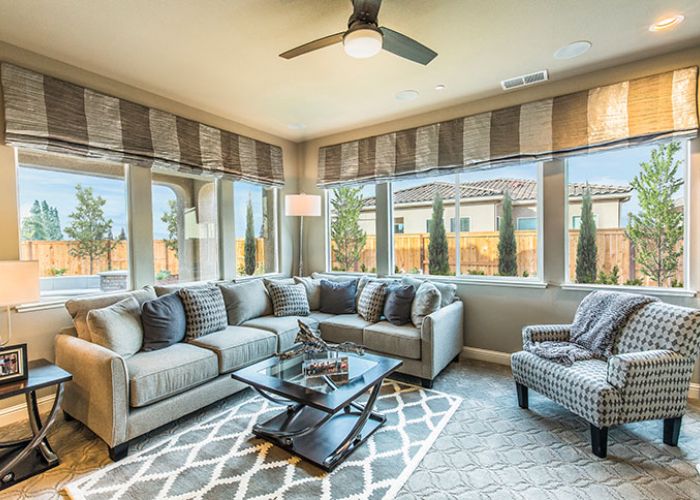
Choosing between standard and energy-efficient windows? The differences go well beyond appearance. Here’s how they compare where it counts.
Standard windows may meet the bare minimum for function but often lack the technology needed to perform well in changing climates. Common drawbacks include:
Energy-efficient windows are designed to solve those common pain points. They improve how your home handles heat, cold, and sunlight while reducing energy waste. With multiple panes, low-E coatings, and insulating gas fills, they work smarter from the inside out.
Cost to Install: Slightly higher than standard windows
Energy Savings: Lower utility bills over time
Durability: Designed to last longer with fewer issues
Home Appeal: More attractive to future buyers
When you consider long-term comfort, performance, and investment, energy-efficient windows offer a level of protection and value that basic models simply can’t match.

Old or failing windows often show signs that are easy to overlook—until they start affecting your comfort, energy bills, or daily routine. Knowing what to watch for can help you decide when a replacement is more than a cosmetic upgrade.
If you feel cold air coming through closed windows or see fog between the panes, that indicates broken seals or insulation failure. These issues let outdoor and indoor air in, making it harder to keep your home comfortable.
A sudden or gradual spike in heating and cooling costs can be directly tied to poor window performance. When windows no longer insulate properly, your HVAC system must work harder to maintain temperature, costing you more monthly.
Windows should open and close smoothly. If they stick, jam, or don’t stay in place, the frames or hardware may have warped or worn out over time. That’s not just inconvenient—it can also pose a safety concern.
Peeling paint, cracked glass, water stains, or rotting wood are clear signs that your windows are past their prime. Even if they still technically function, damage like this compromises their performance and curb appeal.
If your windows show one or more signs, it may be time to consider replacement. Modern energy-efficient models offer better insulation, smoother operation, and lasting durability that outdated windows can’t match.

Picking out new windows isn’t just about energy performance—it’s also about finding the right style, fit, and installation team to make the upgrade worthwhile. Energy-efficient windows come in many options, and choosing the right combination can greatly affect how your home looks, feels, and functions.
Before choosing a window, consider how it needs to perform and how you want it to look. Some windows offer better ventilation, while others focus on maximizing natural light or boosting curb appeal. A few things to weigh:
Taking time to weigh these elements ensures you’re investing in the right window for your goals.
The layout of your home influences which window styles make the most sense. For example:
Thinking through how each window will function in its space helps create a cohesive and practical home.
Choosing the right product is only half the equation. Proper installation is what brings all those benefits to life. A skilled installer will:
Working with a reputable window company means you get expert guidance from selection to final walkthrough—making the process stress-free and the results worth every penny.

At Conservation Construction, we’ve spent decades working with Colorado homeowners, so we understand exactly what a window needs to handle—from sudden snow to blazing summer sun. That’s why we don’t offer off-the-shelf solutions. We install high-performance, energy-efficient windows tailored for the region’s tough and often unpredictable climate.
Our custom window systems feature multi-pane glass, advanced low-E coatings, and insulating gas fills that work together to reduce energy loss and improve year-round comfort. We also work exclusively with trusted brands known for their quality, durability, and long-term performance. Every product we install is backed by strong warranties, including additional protection against glass breakage and screen damage—with labor included.
Choosing energy-efficient windows is more than just a home improvement—it is a smart investment in lower energy bills, increased home value, and a more comfortable living space. If you're ready to upgrade, we’ll walk you through the options and help you find the perfect fit for your home.
Contact Conservation Construction in Denver today for your free in-home consultation and discover how much better your home can feel with the right windows.