
To compare material performance and extend efficiency beyond your windows, read our blogs, Vinyl vs Aluminum Windows and Energy Efficient Patio Doors, and see how the right choices maximize comfort and savings year round.
What is Low-E glass? It’s window glass treated with an ultra-thin coating that helps control radiant heat transfer while still allowing visible light into your home.
But Low-E is only one part of a window’s glass package. If you’re comparing replacement windows, you’ll probably also encounter U-factor, Solar Heat Gain Coefficient (SHGC), double-pane and triple-pane glass, gas fills, and other performance terms.
Each tells you something different about the window. Understanding them makes it easier to compare actual performance instead of choosing a window based on marketing terms alone.
Low-E stands for low emissivity. The coating applied to the glass is designed to reduce radiant heat transfer through a window.
Depending on the coating and overall glass package, Low-E glass can:
Low-E coatings are thin enough that the glass can still provide natural light and outdoor views. The coating manages certain types of energy rather than simply darkening or blocking the window.
Low-E is common in modern energy-efficient windows, but seeing “Low-E glass” on a product description doesn’t tell you everything about that window’s performance.
Radiant heat can move through ordinary window glass. A Low-E coating reflects a portion of that heat energy, reducing how readily it passes through the glass.
During colder weather, the coating can reduce radiant heat loss from the home’s interior. Certain Low-E configurations can also limit unwanted solar heat entering through the window during warmer conditions.
Placement matters, too.
In a double-pane insulated glass unit, there are four glass surfaces when counted from the exterior toward the interior. Low-E coatings are commonly placed on a protected surface facing the sealed space between the panes. The exact position depends on the glass package and its intended performance.
This also protects the coating from routine cleaning and contact.
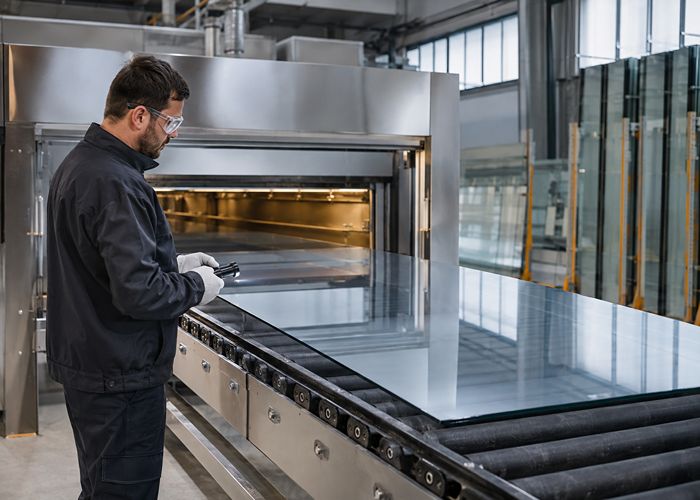
Not every Low-E coating is made the same way.
Hard-coat Low-E, sometimes called pyrolytic Low-E, is applied during glass manufacturing. The coating bonds to the glass surface and is relatively durable.
Soft-coat Low-E is applied after the glass has been manufactured using a different process. It can provide stronger control over radiant heat transfer, but because the coating is more sensitive to exposure, it is typically protected inside an insulated glass unit.
You don’t need to judge a replacement window based on “hard coat” or “soft coat” alone. The complete window ratings provide a much more useful comparison.
U-factor for windows measures how readily heat transfers through the window assembly. A lower number generally indicates better insulating performance.
For example, a window rated at a U-factor of 0.25 transfers heat less readily than a comparable window rated at 0.35.
The National Fenestration Rating Council (NFRC) uses whole-product U-factor ratings. That means the rating accounts for more than the center of the glass. The frame, glazing, spacer, and other components contribute to the result.
If you’re familiar with insulation R-values, remember that the numbers move in opposite directions:
This is why U-factor can tell you more about thermal performance than simply counting panes or looking for a Low-E label.

When comparing windows, Solar Heat Gain Coefficient (SHGC) tells you how much solar heat the window allows into the home.
The rating falls between 0 and 1. Lower numbers indicate less solar heat gain, while higher numbers indicate more.
For example, a window with an SHGC of 0.25 admits less solar heat than one rated at 0.40.
That doesn’t mean the lowest SHGC is automatically right for every home.
Climate, window orientation, shade, and direct sunlight all matter. Limiting solar heat can be particularly useful for windows exposed to intense sun or in warmer climates. In other situations, a different balance between solar heat control and natural light may make more sense.
Both ratings involve heat, but they measure different parts of window performance.
Think of U-factor as answering, “How well does this window resist heat transfer?”
SHGC answers, “How much solar heat gets through?”
ENERGY STAR also uses U-factor and SHGC together when determining which residential windows qualify in different parts of the country. The current ENERGY STAR Version 7.0 requirements have been in effect since October 23, 2023, with performance criteria that vary by climate zone. This is another reason to compare the two ratings together instead of assuming one number tells you everything about a window.

The double-pane vs. triple-pane windows comparison starts with the number of layers in the insulated glass unit.
Double-pane windows contain two panes of glass with one sealed space between them. Triple-pane windows use three panes and create two sealed spaces.
That additional pane and insulating space can improve thermal performance, but pane count isn’t a quality rating by itself.
Triple-pane windows can make sense when greater thermal performance is a priority, particularly in demanding climates. That doesn’t mean every home needs them.
A well-designed double-pane window with an appropriate Low-E coating, gas fill, frame, and spacer system can still provide strong performance.
Sound is another consideration, but pane count alone doesn’t determine how much noise a window blocks. Glass thickness, laminated glass, spacing between panes, frame construction, and the complete window design can all affect sound transmission.

The sealed spaces between panes can be filled with an insulating gas instead of ordinary air.
Argon is commonly used in insulated glass units because it conducts heat less readily than air and can improve thermal performance.
Krypton has stronger insulating properties and can be useful in narrower spaces, including certain high-performance glass configurations. It is generally more expensive than argon.
Neither gas changes the appearance of the window. It works alongside the panes, Low-E coating, spacer, and other components to reduce heat transfer through the insulated glass unit.

This is where all those technical terms become useful when you’re actually shopping for windows.
NFRC provides standardized performance ratings that make it easier to compare products on the same basis. Depending on the window and available ratings, an NFRC label may include:
Rather than comparing phrases such as “high-performance glass” or “advanced insulation,” look at standardized ratings when they’re available.
Two windows can both advertise Low-E glass and argon gas yet have different U-factors and SHGC ratings. Differences in the coating, glass spacing, spacer, frame, and other components can change the performance of the finished window.
If you are comparing ENERGY STAR certified windows, check that the NFRC ratings also meet the ENERGY STAR requirements for your climate zone. ENERGY STAR provides a climate-zone finder so you can see which performance criteria apply where you live.
NFRC also maintains a certified product directory where window performance ratings can be verified.

Low-E coating, gas fill, and pane count are useful specifications, but no single feature determines how a window performs.
The complete system can include:
Consider two windows that both advertise Low-E glass and argon gas. They may still perform differently because their coatings, glass spacing, spacers, frames, and other components aren’t identical.
That’s why complete product ratings are more useful than comparing windows based on one advertised feature.
Want to understand the rest of the window? Read our guide to energy-efficient windows and most efficient styles for a closer look at the frame, installation, weatherstripping, and other components.
You do not need to chase the lowest number on every window label. Start with what each rating tells you and how the window will be used in your home.
Then consider the conditions around the window. Climate, window orientation, direct sunlight, natural light, comfort, condensation concerns, noise, and budget can all influence which combination makes the most sense.
ENERGY STAR specifically recommends considering window orientation along with U-factor and SHGC. For example, SHGC can become especially important on east- and west-facing windows that receive stronger direct sun.
The goal is to compare the complete glass and window package, not choose a product because one specification sounds impressive.
Common Questions About Low-E Window Glass
Low-E coatings are extremely thin and aren't designed to block the view through the glass. Depending on the coating and lighting conditions, you may notice a subtle tint or reflectivity compared with untreated glass.
No. Low-E describes a coating, while double pane describes the construction of the insulated glass unit. A double-pane window can use Low-E glass, but the terms don't mean the same thing.
Triple-pane construction can improve thermal performance, but the number of panes isn't enough to judge a window by itself. Compare U-factor, SHGC, glass coatings, gas fills, frame construction, and the complete product rating.
Now that you know what Low-E glass, U-factor, SHGC, and pane count mean, you can use those specifications to make a more informed comparison between replacement windows.
Conservation Construction offers replacement windows with low-emissivity glass and features designed to improve thermal performance and limit air leakage. The company offers a range of window configurations, including single-hung, double-hung, casement, slider, awning, picture, bay, bow, garden, and specialty styles.
Instead of choosing a window because one feature sounds impressive, look at how the glass, frame, and complete window system work together.
Explore Conservation Construction’s replacement windows or contact the team to schedule a free consultation and compare window options for your home.
Your siding takes on a lot throughout the year. Wind can carry dust and debris against your exterior, spring brings pollen, summer storms can leave dirt behind, and winter weather adds another round of exposure. Eventually, even low-maintenance siding can start looking dull or dirty.
Knowing how to clean vinyl siding and how to clean fiber cement siding can help you remove everyday buildup without accidentally damaging the material.
The short answer: To clean vinyl siding, use a garden hose, soft cloth or soft-bristle brush, and a mild cleaning solution, working carefully across the exterior and rinsing thoroughly. To clean fiber cement siding, use low-pressure water with a soft cloth or nonmetal brush, following the siding manufacturer's cleaning instructions.
The right method depends on the siding material, the type of buildup you're dealing with, and the manufacturer's care recommendations. This guide walks you through the process from start to finish.

Exterior home siding is designed to stand up to outdoor exposure, but that does not mean it stays spotless.
Over time, you may notice:
A relatively dry climate can create its own cleaning challenges. Dust may settle onto siding during extended dry periods, while wind can push debris against the house. Rain can then turn that surface dust into streaks or patches of grime.
Areas protected by roof overhangs may actually become particularly dirty because regular rainfall does not reach them as easily.
Periodic cleaning helps restore the appearance of the exterior while giving you an opportunity to inspect your siding more closely.

There is no universal cleaning schedule that works for every house.
For many homeowners, checking the siding once or twice a year is enough to determine if cleaning is necessary. You may need to clean more frequently if your home is exposed to considerable dust, nearby construction, trees, irrigation, heavy pollen, or other sources of buildup.
Instead of cleaning according to a strict calendar, inspect the exterior periodically.
Look closely around:
Cleaning methods also vary by material. Vinyl and fiber cement should not automatically be treated the same way.
Vinyl siding is popular partly because it does not require the same ongoing painting and maintenance associated with many traditional exterior materials. Routine washing can remove the pollen, dust, cobwebs, and grime that collect on the panels over time.
The main concern when cleaning vinyl is the way the panels overlap. You want to clean the exposed surface without scratching it or spraying water upward behind the siding.
To clean vinyl siding step by step, check for damaged panels first, rinse loose debris from the top down, spot-clean areas with heavier grime, and finish with a gentle rinse that follows the direction the siding sheds water.
Walk around your home and look closely at the siding before getting it wet. Check for cracked pieces, loose panels, gaps around trim, and sections that have pulled away from the wall.
Also close your windows and doors and move furniture away from the house. Cover sensitive electrical fixtures or other areas that should stay dry.
Start at the upper portion of the wall and use a garden hose to carry pollen, dust, cobwebs, and loose dirt downward.
Keep the stream pointed straight at the siding or slightly downward. Avoid spraying underneath the overlapping edges, where water may get behind the panels.
You may not need cleaning solution across the entire exterior. If most of the siding responds to water, focus your cleaner on sections with grime that remains.
Use a vinyl-safe product according to its directions. Work on an area small enough that you can finish it before the cleaner dries.
Use a soft cloth or soft-bristle brush where dirt is still holding on. Corners, shaded walls, areas beneath eaves, and protected sections may need more attention because rainfall does not regularly wash them.
Skip wire brushes, steel wool, stiff scrubbers, and abrasive products that can leave the finish looking dull or scratched.
Use clean water to carry away the loosened grime and remaining cleaner. Keep following the natural downward direction of the panels as you work.
Once the wall begins to dry, step back and look for missed areas. If a section still appears dirty, another gentle spot cleaning is a better next step than immediately using a more aggressive tool.
The Vinyl Siding Institute's cleaning recommendations suggest using an ordinary garden hose and a soft-bristle washing brush for routine cleaning while avoiding stiff brushes and abrasive cleaners.
This is where homeowners should be careful.
A pressure washer can produce considerably more force than a standard garden hose. Too much pressure can damage siding or drive water behind panels and into areas that are supposed to remain protected.
The Vinyl Siding Institute's siding cleaning guidance recommends following the siding manufacturer's instructions when using a pressure washer because some manufacturers advise against pressure washing.
If you're unsure about the siding manufacturer's recommendations, a garden hose and soft brush provide a gentler starting point.
More force does not necessarily mean a cleaner exterior.

Fiber cement siding calls for a different mindset. Instead of focusing on overlapping vinyl panels, you need to protect the siding's finished surface and limit the amount of force and moisture used during cleaning.
Manufacturer care instructions should guide the process. Avoid acid washing and aggressive pressure washing, and do not leave cleaning products sitting on the surface longer than directed.
To clean fiber cement siding step by step, identify the type of buildup, choose a cleaning method that is safe for the finish, gently work on small areas, and remove the cleaner with low-pressure water before it dries.
Check the wall for cracked boards, peeling or damaged finish, open joints, and trouble around windows, doors, and trim.
If you find physical damage, deal with that concern before washing the area. Cleaning can improve a dirty surface, but it cannot correct a board or finish that has deteriorated.
Do not automatically cover the entire wall with cleaner. First determine if you are dealing with loose dust, ordinary dirt, or a more stubborn stain.
Light surface debris may come away with low-pressure water alone. Other buildup may require a cleaning product approved for the siding.
If a cleaner is needed, follow its directions and test an inconspicuous area when appropriate.
Keep your work area manageable. This gives you time to gently clean the surface and remove the product before it dries onto the finish.
Work stubborn areas with a soft cloth or a soft-to-medium nonmetal brush. Apply enough effort to loosen the grime without aggressively scrubbing the coating.
Avoid metal brushes, abrasive pads, and harsh tools that could mark the surface.
Once a section is clean, use a garden hose or another low-pressure water source to remove the remaining product and loosened debris.
Pay attention around joints, trim, windows, and doors. You want to remove the cleaner without forcing large amounts of water into openings in the exterior.
Give the siding time to dry before deciding if it needs another treatment. Wet fiber cement can look different from the finished, dry surface.
If discoloration, fading, damaged coating, cracks, or other marks remain after the siding is clean, you may be looking at a material or finish problem rather than removable dirt.
Manufacturer recommendations matter when cleaning fiber cement. According to James Hardie's siding care guidance, homeowners should use low-pressure water from a garden hose and a soft or medium-bristle siding brush to remove dirt and debris rather than pressure washing the surface.
The basic process looks similar: inspect, rinse, gently clean, and rinse again.
The important difference is that you're working with two different materials and should follow the care instructions for the siding installed on your home.
| Cleaning Consideration | Vinyl Siding | Fiber Cement Siding |
|---|---|---|
| Routine rinsing | Garden hose | Low-pressure water |
| Cleaning tool | Soft cloth or soft-bristle brush | Soft cloth or nonmetal brush |
| Abrasive tools | Avoid | Avoid |
| High pressure | Use caution and follow manufacturer instructions | Avoid excessive pressure |
| Cleaner | Vinyl-safe mild cleaner | Manufacturer-approved mild cleaner |
| Main concern | Scratching or forcing water behind panels | Damaging the finish or introducing excess moisture |
If you don't know what siding you have, identifying the material should come before choosing a cleaning method.
Knowing what not to do can be just as important as knowing how to clean the siding.
A few common mistakes can turn routine maintenance into an exterior repair.
Higher pressure does not automatically provide better results. Excessive force may damage finishes, affect siding panels, or push water into joints and openings.
With horizontal siding, avoid directing water upward beneath overlapping courses. Keep water moving in the direction the siding is designed to shed it.
Metal brushes, steel wool, and aggressive scrubbers can scratch or alter siding finishes.
Work in smaller sections, particularly on sunny days. Rinse cleaning products away before they have an opportunity to dry onto the siding.
Cleaning recommendations can vary between siding brands and products.
If you know the manufacturer of your siding, check its care instructions before using chemicals, specialized equipment, or a pressure washer.
Not every exterior problem can be washed away. Cleaning can remove dirt and buildup, but it cannot fix siding that has started to fail.
Take another look at your exterior after it is clean. If the siding still looks warped, cracked, loose, faded, or stained, the problem may be with the material itself rather than something sitting on the surface. At that point, another round of cleaning is unlikely to change what you see.
Watch for:
Where the problem appears can also tell you something. Staining below a gutter, for example, may point to a drainage issue. Damage spread across several sections of the exterior may be a sign that the siding itself is reaching the end of its useful life.
Small areas of damage may be candidates for repair when the surrounding siding is still in good condition. When cracking, warping, fading, loose panels, or other problems are widespread, replacement may give you a better long-term solution than continuing to clean or patch an aging exterior.
If cleaning has revealed that your siding needs more than surface care, Conservation Construction can help you take the next step. Explore our siding replacement options to compare materials and learn what a new siding system could offer your home.

Homes experience a wide range of weather conditions throughout the year.
Strong sunshine, dry periods, wind, rain, hail, snow, and rapid temperature changes all affect your exterior differently. Wind can carry dust against the house, while storms may leave debris and splashes of dirt on lower sections of siding.
Colorado's intense sunlight can also make changes in an exterior finish easier to notice.
Cleaning provides a good opportunity to look beyond surface appearance. As you move around the house, check trim, windows, doors, seams, gutters, and siding for anything that appears different from the previous season.
A clean exterior makes physical changes easier to spot.
For routine cleaning, start with a garden hose and a soft cloth or soft-bristle brush. If water does not remove the buildup, use a mild cleaner approved for vinyl siding and follow the manufacturer's directions.
Avoid immediately reaching for abrasive brushes or high-pressure equipment.
There is no single schedule for every home. Inspect your siding periodically and clean it when dirt, pollen, cobwebs, or other buildup becomes noticeable.
Homes exposed to wind, dust, nearby trees, construction, or irrigation may need attention more frequently than protected homes.
If you're learning how to clean fiber cement siding, start with low-pressure water and a soft cloth or nonmetal brush. Use mild cleaning products that are appropriate for your particular siding and follow the manufacturer's care instructions.
Avoid excessive water pressure and abrasive tools.
It depends on the siding material and manufacturer. Pressure that is too high can damage an exterior or push water into areas it should not reach.
Check the manufacturer's instructions before pressure washing. When in doubt, a garden hose provides a gentler option for routine cleaning.
First, determine what is causing the stain. Dirt, organic growth, rust, paint, fading, and material damage require different solutions.
Do not continue scrubbing more aggressively when a stain will not disappear. If the area is actually faded, damaged, or deteriorated, cleaning may not solve the problem.
Routine cleaning can keep siding looking its best when the material is still in good condition. But if your siding remains cracked, warped, loose, faded, stained, or worn after the surface is clean, the problem may go beyond dirt.
That is when it makes sense to look at the condition of the siding itself. Small areas of damage may be repairable, while widespread wear or aging material may make replacement a better long-term choice.
If cleaning has revealed that your exterior needs more attention, Conservation Construction can help. We work with Denver homeowners to compare siding options that fit their homes, maintenance goals, and Colorado's changing weather.
Contact us to schedule a free siding consultation and find the right next step for your home's exterior.
If you are replacing a window, patio door, entry door, or shower enclosure, you may hear the term “safety glass.” That label covers several products, but tempered and laminated glass are two of the most common choices used in homes.
They may look similar once installed, yet they react very differently to impact. Learning how each type is made, how it breaks, and where it is commonly used makes it easier to choose the right glass for the opening.
Tempered glass is heat-treated for added strength and breaks into small, relatively blunt pieces when damaged. Laminated glass uses two or more panes bonded around a flexible interlayer that helps hold the cracked glass together.
Tempered glass is commonly selected for safer breakage and heat resistance. Laminated glass may be preferred when security, sound reduction, UV protection, or keeping damaged glass in place is a priority. Building codes and the location of the opening may also determine which type is required.
Standard glass - often called annealed glass - goes through a slow cooling process after it is formed. This process makes the glass easier to cut and shape during manufacturing, but it can break into large, sharp pieces when damaged. Those shards are where injuries happen.
Safety glass, by contrast, is engineered to break in a way that reduces the risk of serious cuts or complete structural failure. Both tempered glass and laminated glass qualify as safety glass, but they achieve that goal through completely different methods.
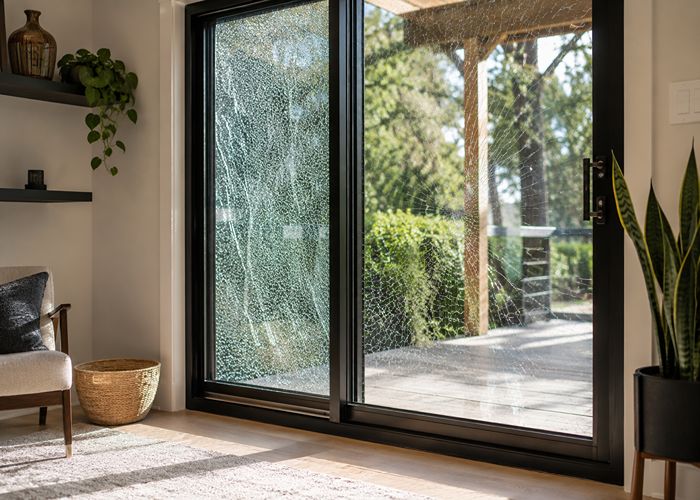
Tempered glass starts as ordinary annealed glass, then goes through a controlled heating and rapid cooling process. The outside surfaces cool more quickly than the center, creating internal compression that makes the finished glass stronger than untreated glass.
The result is architectural glass that can handle impacts and temperature changes better than regular glass. When it does break, it shatters into small, relatively blunt pieces instead of large, sharp fragments. This breakage pattern generally reduces the risk of severe cuts, although broken tempered glass should still be handled carefully.
You encounter tempered glass more often than you probably realize. In residential construction, it is commonly used in patio doors, entry doors, shower enclosures, and certain windows positioned near floors, doors, stairs, or other high-traffic areas.
Building codes may require safety glazing in these locations because accidental contact is more likely. However, the exact requirements depend on the dimensions, placement, and use of the glass.
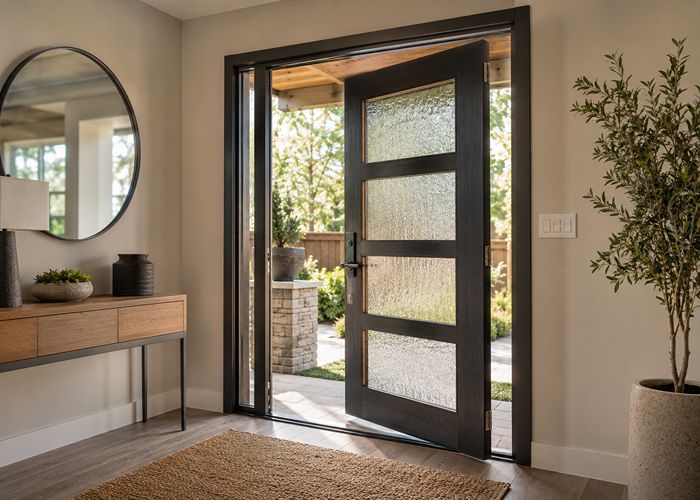
Laminated glass takes a different approach entirely. Instead of altering the glass through heat, lamination bonds two or more panes of glass together using an interlayer - most commonly polyvinyl butyral (PVB). Polyvinyl butyral is a plastic-based resin that is incredibly tough and flexible, and it is what keeps laminated glass from falling apart when it breaks.
The interlayer helps the glass remain together after an impact. The panes may crack, but many of the broken pieces stay attached to the flexible layer rather than immediately falling out of the opening.
That matters when you think about noise reduction, protection against accidental impact, added security and keeping damaged glass in place.
The most familiar example of laminated glass is your car's windshield. A windshield is designed to crack on impact without immediately collapsing inward onto the driver. That is the lamination doing its job.
A similar principle can apply when laminated glass is used in residential windows, patio doors or entry doors. Even after the glass cracks, the interlayer may help the opening remain intact until the damaged unit can be repaired or replaced.
Both products qualify as safety glass, but they serve different purposes. Here is how they compare across the most important factors.
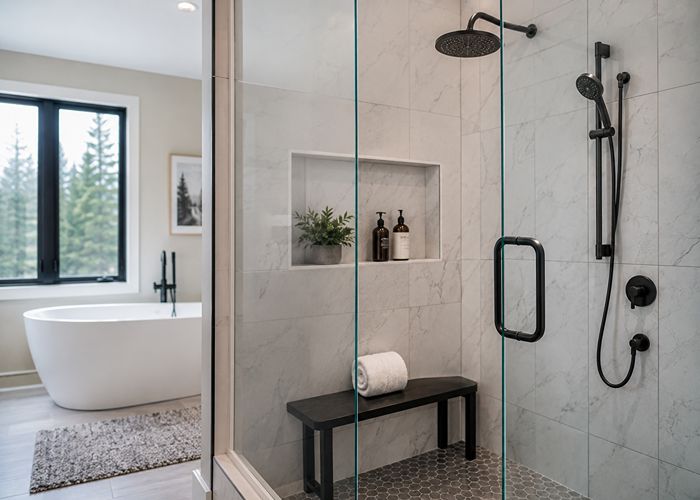
In residential construction, building codes often require approved safety glazing in areas where accidental impact is more likely. Common examples may include glass in or near doors, shower enclosures, stairways and certain low-positioned windows.
A window close to the floor does not automatically require safety glass. Code requirements can depend on several factors, including the exposed glass area, the height of the upper and lower edges, and the window's proximity to a walking surface.
Depending on the application, approved safety glazing may include tempered glass, laminated glass or another compliant product. Local requirements and project conditions can also vary, so a qualified window or door professional should confirm the appropriate glass for each opening.
The honest answer is that it depends on what you are trying to accomplish.
If you are replacing shower doors, a sliding patio door, or any glass near floor level, tempered glass is usually the standard and the right call. It meets code, it is cost-effective, and its breakage pattern minimizes injury risk.
If you are focused on security, noise reduction, UV protection, or impact resistance - especially for entry doors and windows facing the street - laminated glass is worth the additional investment. The interlayer does real work that tempered glass simply cannot replicate.
In some high-performance window systems, you will find both. A window unit might use one tempered pane and one laminated pane in an insulated glass configuration to get the benefits of both. This is increasingly common in energy-efficient replacement windows designed for variable climates.
Tempered or laminated glass is only one part of a replacement window. Most modern windows use an insulated glass unit made with multiple panes, Low-E coatings, gas fills such as argon, spacers, seals, and a durable frame system.
The right glass configuration may also vary from one opening to another. A window near a door, stairway, floor, or high-traffic area may require approved safety glazing, while a street-facing window may benefit from laminated glass for added sound control and glass retention.
Frame construction, glass coatings, spacers, gas fills, installation, and the condition of the opening all affect how the finished window performs. Comparing the complete window system is more useful than choosing tempered or laminated glass by itself.
Tempered and laminated glass are both safety-glazing options, but they solve different problems. Tempered glass breaks into smaller pieces, while laminated glass remains attached to its interlayer after cracking.
The best choice for your replacement windows depends on the location of each opening, applicable building codes, outside noise, security concerns, UV exposure, and your goals for comfort and performance. Different rooms may call for different glass configurations rather than one option throughout the entire home.
Conservation Construction has helped Colorado customers replace windows and doors since 1989. Explore our home window replacement in Denver or call 303-237-1687 to request a free estimate and compare the glass, frame, and energy-saving options available for your home.
A properly pitched retractable awning may provide coverage during light rain, while a traditional pergola with an open slatted roof allows water through. A louvered pergola may offer more complete rain coverage when its roof is closed, depending on the design, drainage system, and installation.
The better option depends on how much weather protection you need, how you use your patio, and whether you prefer a retractable covering or a permanent outdoor structure.
For most homeowners comparing an awning vs. pergola for rain, a retractable awning is the more practical choice for light weather coverage. A louvered pergola offers more substantial protection but comes with a larger project scope.

An awning is a covering that attaches to the exterior of a building and extends over a patio, deck, window, or doorway. Retractable models open when shade or coverage is needed and close when you want full sunlight or changing weather makes retraction necessary.
Most residential retractable awnings use a metal frame and durable outdoor fabric. Motorized retractable awning systems operate via a wall switch, remote, or compatible automation controls, depending on the selected product.
Unlike a pergola, an attached awning generally extends over the patio without posts along its outer edge. That leaves the area beneath it open for furniture, walking paths, and views.
A retractable awning may provide temporary coverage during light, passing rain when the fabric is water-resistant and the canopy has enough pitch for runoff. The angle helps direct water toward the outer edge instead of allowing it to collect on the fabric.
An awning should not be treated like a permanent waterproof roof. Heavy or steady rain may cause water to pool, adding weight that can stretch the fabric or strain the arms, brackets, and motor. Retractable awnings should generally be closed during heavy rain, strong wind, thunderstorms, hail, snow, and ice. Always follow the operating limits for the specific system installed.
Sideways rain may also reach the patio beneath an awning. The amount of coverage depends on:
An awning works best when the main goal is adjustable shade with occasional light-rain coverage.
Proper runoff is one of the most important considerations. A canopy with too little pitch may collect water rather than shed it.
Watch for:
Some motorized models offer optional wind sensors that trigger retraction when movement or wind conditions reach a set threshold. Sensors add convenience, but they should not replace checking the weather and closing the awning before severe conditions arrive.
A wet awning may need to be retracted when the weather becomes unsafe. Once conditions improve, extend it again so the fabric dries completely before long-term storage.

A pergola is an attached or freestanding outdoor structure supported by posts. Traditional designs have an open roof made from evenly spaced beams or slats.
The open design creates partial shade and defines the patio without completely separating it from the outdoors. Pergolas may be built from wood, aluminum, vinyl, or composite materials.
A pergola can also support:
Because a traditional pergola has an open roof, it does not provide complete protection from rain.
Rain passes through the open spaces in a standard pergola roof. The beams may reduce some direct sunlight and break up light rainfall, but the seating area beneath the structure will still get wet.
Plants growing across the roof may create more shade, but leaves and vines do not form a dependable waterproof surface. Water may drip through for hours after rainfall ends.
A traditional pergola makes sense when your priorities include:
It is less suitable when keeping the patio dry is the main objective.
A louvered pergola replaces fixed open slats with adjustable roof panels. The louvers may rotate to provide direct sunlight, filtered shade, or a closed overhead surface.
Some systems use interlocking aluminum louvers and built-in gutters that move water into channels and down through the supporting posts. Product performance varies, so rain coverage depends on the roof design, seals, drainage system, installation, and weather conditions.
A closed louvered roof may provide more complete coverage than a fabric awning during rain. Wind-driven water may still enter through open sides, and leaves or debris may affect drainage when gutters are not maintained.
Louvered pergolas are also larger permanent projects. Installation may involve:
That larger scope usually requires a greater investment than installing an attached retractable awning.

When comparing an awning and pergola, focus on how you plan to use the patio and the level of coverage you expect.
An awning may be the better fit when you want:
A traditional pergola may be a good choice when you want:
A louvered pergola may be worth considering when you want:
Rain protection is only one part of choosing an outdoor covering. Colorado patios may also face bright sunlight, sudden wind, hail, freezing conditions, and snow.
Before selecting an awning or pergola, consider:
A motorized awning should be closed during snow, ice, hail, strong wind, and heavy rain. A pergola must be designed and installed for the site and maintained according to its roof, frame, and drainage requirements.
A traditional wood pergola with open slats will not keep you dry. A louvered aluminium pergola like a StruXure, with closed louvers and integrated drainage, can provide solid rain protection.
Yes. A properly installed awning with the right pitch and durable material - whether fabric, aluminium, or PVC - will protect your patio from moderate rain effectively.
An aluminum awning or louvered pergola will generally outlast wood structures and fabric canopies. Longevity depends heavily on material choice and maintenance habits.
Yes. Options include adding a retractable canopy, shade sail, or polycarbonate roof panels to an existing pergola structure.
Both awnings and pergolas have real potential - the right choice comes down to your budget, goals, and how much rain protection you actually need. If you want a practical, effective solution for your patio that handles Colorado weather without a major construction project, a retractable awning is an excellent place to start.
Conservation Construction installs custom motorized retractable awnings throughout Denver and the Front Range. Available options include Sunbrella fabric, cassette housing, adjustable pitch, integrated lighting, optional wind sensors, screens, and home automation controls.
Each awning is measured for the patio or deck and designed to provide adjustable shade with occasional light-rain coverage. Explore our motorized retractable awnings in Denver or call us at 303-237-1687.
If you've ever stood in a showroom or scrolled through window options online and thought, "What's actually the difference between these two?" you're not alone. Single-hung and double-hung windows look almost identical from the outside, but they function differently, cost differently, and suit different homes in different ways.
This guide breaks down everything you need to know so you can make a confident decision - whether you're replacing one window or upgrading your entire home.

A single hung window has two sashes - the framed panels that hold the glass - but only the bottom sash moves. You slide it upward to open the window, and the top sash stays fixed in place.
This is actually the more traditional window style. You've seen them in older homes, ranch-style houses, and plenty of classic American architecture. They're simple, reliable, and do the job well.
The fixed upper sash means less moving hardware, which translates to fewer parts that can wear out over time. For homeowners who want a no-fuss window that just works, single-hung windows make a lot of sense.

A double hung window looks nearly identical to a single hung window from the street. The difference is that both the top and bottom sashes move independently.
You can raise the bottom, lower the top, or do both at once. That flexibility gives you more control over airflow and ventilation inside your home. It also opens up easier cleaning options, which we'll get into shortly.
Double hung windows have become the more popular choice in modern home construction and replacement projects. They offer a bit more versatility, and many homeowners appreciate the added functionality for the relatively small price difference.
Before diving into the details, here's a quick look at how these two window types stack up across the most important categories:
| Feature | Single Hung | Double Hung
|
|---|---|---|
| Moving sashes | Bottom only | Top and bottom |
| Average cost | Lower | Slightly higher |
| Ventilation | Moderate | Better |
| Cleaning ease | Harder | Easier |
| Energy efficiency | Comparable | Comparable |
| Best for | Budget-conscious installs | Versatility and convenience |
Now let's dig into each of these areas so you understand the "why" behind every comparison.
This is one of the more practical differences between the two window types, and it matters more than people expect.
With a single hung window, you can only open the bottom sash. Air comes in from the bottom, but there's no top opening to let warm air escape upward. This isn't a dealbreaker, but it limits how effectively you can cross-ventilate a room.
Double hung windows let you open both sashes, which creates what's called a "stack effect."
Cooler air enters through the bottom while warmer air - which naturally rises - can exit through the top. On a mild Colorado day when you'd rather not run the AC, this kind of natural ventilation can make a real difference in comfort.
If you're upgrading windows in a bedroom, a kitchen, or any room where airflow matters, the double hung design gives you more to work with.
Let's be honest - nobody looks forward to cleaning windows. The type you choose can make that job significantly easier or harder.
With single hung windows, the upper sash doesn't tilt or move. That means cleaning the exterior of the upper sash usually requires going outside or working from a ladder. For first-floor windows, that's manageable. For second-floor or higher windows, it becomes a real inconvenience.
Most double-hung windows are designed with tilt-in sashes. Both the top and bottom sashes can tilt inward toward you, letting you clean the exterior glass from inside your home. No ladder is required, and you don't have to lean out the window.
For multi-story homes, this is a feature that genuinely improves quality of life. It also makes it easier to keep your windows in good shape long-term, which protects your investment.
Here's the part most homeowners want to know about: how much does each type actually cost?
Single-hung windows are generally less expensive than double-hung windows. The price gap isn't always dramatic, but it exists - and it adds up when you're replacing multiple windows at once.
The lower cost of single-hung windows comes down to fewer moving parts. There's one operating sash instead of two, which means less hardware, less complexity, and lower manufacturing costs that get passed along to the buyer.
Double hung windows cost more upfront, but many homeowners consider the added functionality - easier cleaning, better ventilation, more flexibility - worth the extra investment.
When you factor in long-term convenience and resale appeal, the price difference often looks smaller than it seems at first glance.
The best way to understand what your specific project will cost is to get a professional estimate based on your window count, size, and the product you choose. At Conservation Construction, free estimates are available so you can plan your project with real numbers before committing to anything.

This is a question that comes up often, and the honest answer is: window type matters less than window quality when it comes to energy efficiency.
Both single-hung and double-hung windows can be highly energy efficient if they're built with the right materials and installed correctly. Factors like the frame material, glass package, low-E coatings, gas fills between panes, and weatherstripping all have a far bigger impact on energy performance than whether the window is single or double-hung.
That said, double hung windows have more moving parts and more seams where air can potentially infiltrate. A well-made single hung window may have a slight edge in airtightness simply because the fixed upper sash creates fewer gaps. But with quality products and professional window installation, both options can perform extremely well.
For homeowners in Colorado, where temperatures swing dramatically between seasons and altitude affects how homes manage heat and cold, choosing an energy-efficient window product matters more than choosing a single vs double hung configuration. Working with a company that understands the local climate - and installs windows designed for it - is what makes the real difference.
If energy performance is a top priority for your replacement project, explore energy-efficient windows built for Colorado's unique conditions.
Not every window choice fits every home equally well. Here's a practical look at which style tends to work better in different situations.
Single hung windows are a natural match for older homes with traditional architectural details.
They maintain a classic look, and their simpler operation aligns well with the design language of craftsman bungalows, colonial-style homes, and ranch houses.
If your home already has single hung windows and you're replacing like-for-like, sticking with single hung can be both cost-effective and aesthetically consistent.
Double hung windows tend to be a better fit for newer construction and multi-story homes. The tilt-in cleaning feature is especially valuable when windows are on upper floors, and the improved ventilation flexibility suits open floor plans and contemporary living styles.
If you're doing a full-home window replacement and want a product that's easy to maintain and versatile in use, double hung windows are worth the upgrade.
Kitchens, bathrooms, and bedrooms benefit most from double-hung windows. These are spaces where controlling airflow - and being able to open a window from the top to release heat or moisture - can improve both comfort and air quality.
For utility rooms, basements, or spaces where the window rarely gets opened, a single hung option may be perfectly sufficient.

Window installation isn't just about putting a new unit in the opening. Done right, it involves proper sealing, insulation, leveling, and integration with your home's existing structure.
Both single and double-hung windows can be installed as replacement windows or as part of new construction. The process for each is similar, though double-hung windows may involve slightly more adjustment, given the additional operating hardware.
What matters most is that the installation is done by experienced professionals who know how to handle Colorado's temperature extremes and the unique demands of older Denver-area homes. Poor installation - regardless of window type or quality - can undermine energy efficiency, cause drafts, allow moisture infiltration, and create long-term problems that cost far more to fix than they would have to prevent.
Conservation Construction has been installing home windows in the Denver area and Front Range since 1989, with hundreds of thousands of windows installed for Colorado homeowners.
That kind of experience matters when it comes to getting the details right.
There are a few things that often trip people up when comparing these two window types. It's worth clearing them up.
You don't need to be a window expert to make a good decision. You just need to think through a few key questions.
If this is a forever home and you're focused on value and function, pick what makes the most sense for how you actually live.
A good window contractor won't push you toward one option or the other - they'll listen to your situation and help you find the right fit. That's exactly the approach the team at Conservation Construction takes when working with homeowners on replacement projects throughout Lakewood, CO, and the surrounding Front Range.
Choosing between single hung and double hung windows comes down to your home, your budget, and how you actually use your windows day to day. Single hung windows are cost-effective, reliable, and perfectly suited for many homes. Double hung windows offer more flexibility, easier cleaning, and better ventilation for those who want the added convenience.
If you're ready to explore your options with a team that's been helping Colorado homeowners since 1989, Conservation Construction is here to help. Call 303-237-1687 or visit us to schedule your free estimate.
Yes, single hung windows are generally less expensive than double hung windows. The cost difference varies depending on the brand, size, and features, but you'll typically pay less per unit with a single hung. For large-scale replacements, the savings can be significant.
Yes. If the rough opening dimensions are compatible, you can replace single-hung windows with double-hung windows during a replacement project. Your contractor will measure the existing opening and determine the best fit.
Double hung windows are generally the better choice for two-story homes. The tilt-in cleaning feature lets you clean exterior glass from inside the home, which is a significant advantage when dealing with upper-floor windows that are difficult to access safely.
Single hung windows offer less ventilation flexibility than double hung windows because only the bottom sash opens. You can still get airflow, but you can't take advantage of the stack effect that double-hung windows create when both sashes are open.
Neither type is significantly more energy efficient than the other based solely on the single vs double hung distinction. Energy efficiency comes from the glass package, frame material, weatherstripping, and installation quality. Both types can achieve excellent energy performance with the right product and proper installation.
With quality materials and proper installation, both window types can last 20 to 40 years or more. Vinyl frames tend to be especially durable and low-maintenance. Regular cleaning and occasional hardware checks will help extend the life of either type.
You want two things this year: a safer home and fewer drafts.
Colorado’s brutal cold fronts make weak locks and leaky frames show fast, so simple changes pay off right away.
The fastest upgrades are more secure locks and better glass to make doors harder to force, help cut chilly air leaks, and still keep the look you love.
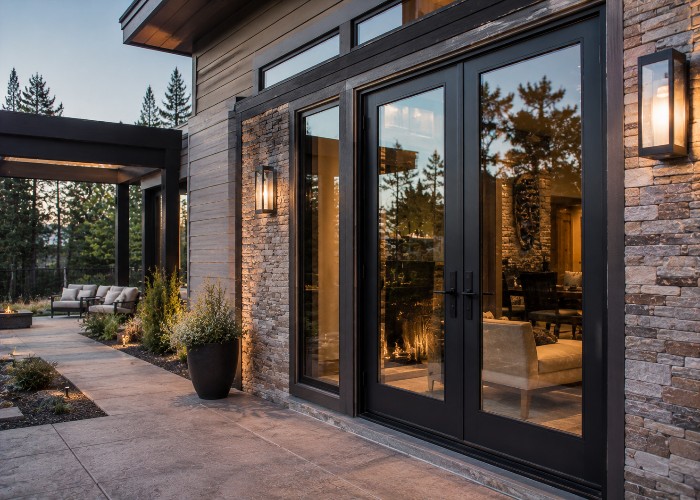
Colorado’s fast-moving fronts and big day–night swings can flex doors and windows. When panels shift, tiny gaps open, drafts creep in, and single-point latches take all the stress. Bright winter sun adds glare and fades furnishings.
What you’ll notice with the right upgrades
You can view the latest ProVia Entry and Storm Door Updates Here to explore new styles, features, and product options before choosing the right door for your home.
When choosing a new entry door, these features can make a noticeable difference in security and durability. Here’s what to ask about and where each upgrade applies:
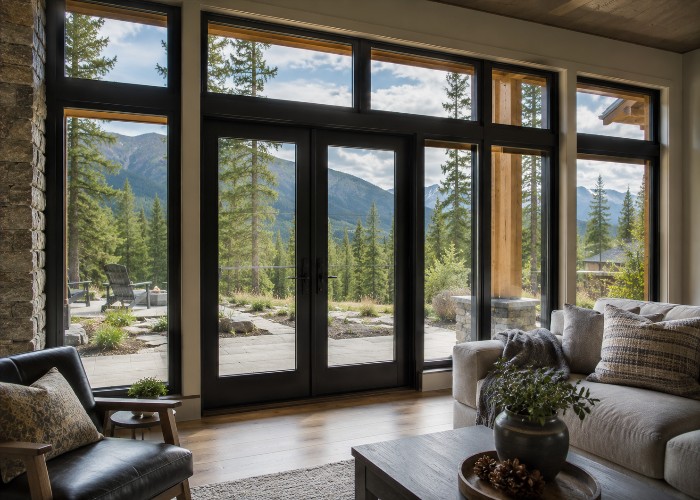
Patio doors are a common weak point because of their size and frequent use. The right locking features can significantly improve security and long-term performance.
Colorado’s wide temperature swings, strong sun, and winter cold make window performance especially important. These features help improve security, comfort, and efficiency.
If you want a tougher, more secure window upgrade for 2026, start with these Anlin Del Mar highlights:
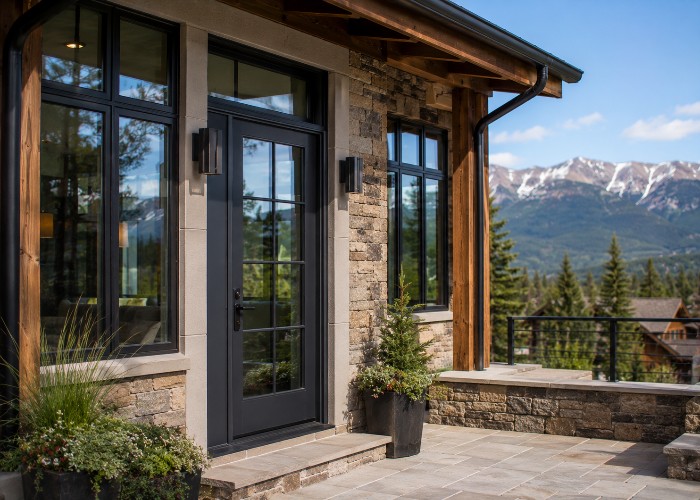
For Denver-area homes, Conservation Construction brings hardware and glass samples directly to your home so you can compare options side by side. You can see and feel the differences between single-point and multi-point locks, privacy and laminated glass, and patio door hardware like hook locks and foot locks.
After the visit, we provide a simple written summary of the selected hardware, glass, finishes, and warranty details, so expectations are clear and there are no surprises.
A secure home starts with the right combination of strong doors, durable windows, and quality hardware. From multi point locks to laminated glass and reinforced patio door features, small upgrades can make a noticeable difference in both security and comfort. As you explore your options, take time to compare products, ask questions, and choose solutions that fit your home's needs. To learn more about replacement windows and doors, visit the Conservation Construction homepage.
How do I make sure my windows are secure?
Start by locking them every time. Good locks should pull the sash tight to the frame. Add simple upgrades where they matter most:
Are doors with windows secure?
They can be. Choose laminated glass for the window in the door so it stays together if cracked, and use a multi-point lock so the door grabs the frame at the top, middle, and bottom. Add a reinforced strike plate with 3-inch screws and pick a privacy or decorative glass style if your door faces the street.
Can burglars open a locked window?
A weak latch or loose frame can be pried. Sliding windows and doors are also vulnerable if they can be lifted out of the track. Make it harder by keeping windows fully closed and locked, adding a pin or dowel in the track, installing anti-lift blocks, and using laminated glass where it counts.
What are the most burglar-resistant windows?
No window is 100% break-proof, but some setups are tougher:
Use fixed windows where you do not need to open them, and pair with an operable unit nearby for ventilation and egress.
How do I make sure my home doors are secure?
For entry doors, choose a multi-point lock, a reinforced strike, and laminated or privacy glass if there is a window in the door. Use heavy-duty hinges and, if hinges are exposed, ask for security pins.For sliding patio doors, choose hook latches (2 or 4 hooks) and add a foot-lock at the sill if available. Keep the rollers adjusted so the panel closes smoothly and tight. For French patio doors, look for multi-point locking plus a deadbolt, and confirm the inactive panel locks into the head and sill.
If you've been shopping for replacement windows and keep running into the terms "bay" and "bow," you're not alone. Most homeowners aren't sure what separates them, and the confusion makes sense because both window styles project outward from the wall and add serious character to a home.
But they're not the same thing. Learning the differences between bay and bow windows can help you make a smarter decision for your home's architecture, budget, and daily comfort.
Let's break it all down.
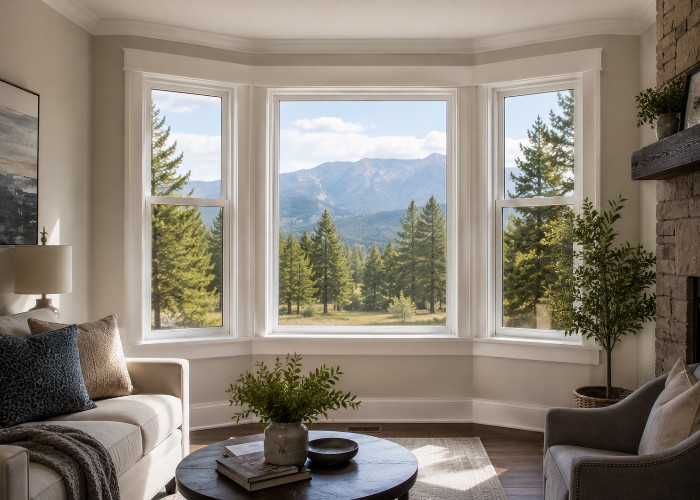
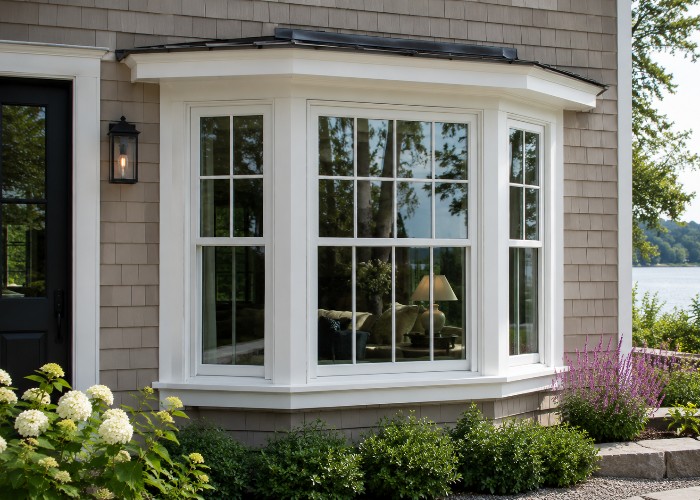
A bay window is a multi-panel window that projects outward from an exterior wall, creating a small alcove or nook inside the room. The design of a bay window typically features a center window flanked by two angled side windows, forming a sharp, geometric shape.
The bay window has three panels in most configurations. The center window is usually a large picture window that doesn't open, while the two side windows are often casement or double-hung windows that allow ventilation.
Bay windows are typically installed in living rooms, dining rooms, kitchens, and bedrooms. The angular design of bay windows makes them a natural fit for traditional and craftsman-style homes, and they've been a staple of residential architecture for generations.
Bay windows create a defined interior space that homeowners often use as a cozy window seat, a breakfast nook, or a spot to display plants that need sunlight. Bay windows also add visual interest to the exterior facade of a building.
Bay windows provide a significant amount of natural light thanks to the three windows working together to capture light from multiple angles. Bay windows are easier to dress with window treatment options like blinds or layered curtains because of their more angular structure.

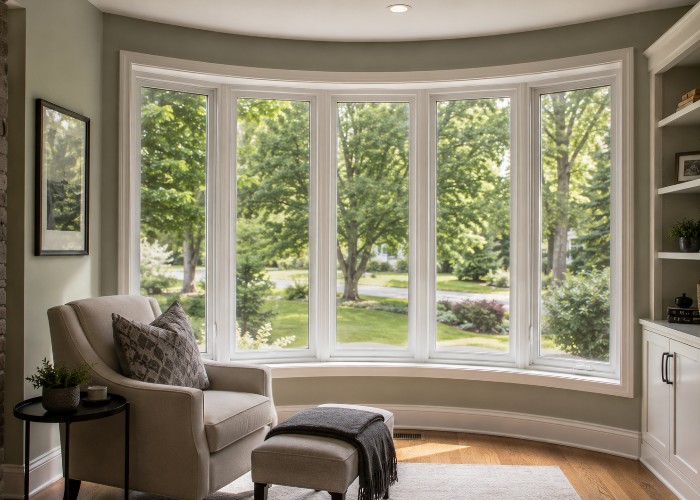
A bow window is similar to a bay window in that it also extends beyond the exterior wall, but it uses a curved design rather than sharp angles. Bow windows typically consist of four, five, or even six window panels arranged in a gentle arc, resembling the bow of a watercraft.
The curve of a bow window gives it a softer, more elegant look that complements Victorian architecture and other decorative architectural styles. Bow windows often appear on the front of homes where curb appeal is the priority.
Bow windows create a rounded alcove inside the room that feels more expansive than the angular nook of a bay window. Bow windows extend outward more gradually, which can make them feel less intrusive in smaller rooms.
The bow window design is all about aesthetics and sweeping views. Bow windows use multiple panels of glass that curve around to bring in natural light from a wider angle than a standard flat window or even a bay window.
Bow windows offer a panoramic outdoor view that works especially well in homes facing a garden or open landscape. Bow windows also tend to create a more dramatic architectural statement, lending a turret-like quality to the exterior of the building.
Now that you have a sense of each type, let's compare bay vs bow windows directly on the points that matter most.
The most obvious difference between bay and bow windows is the shape. A bay window has three windows set at angles, creating a sharp geometric projection. A bow window uses four or more window panels arranged in a smooth curve.
The angular design of bay windows suits homes with bold, traditional lines, while the curve of a bow window adds softness and flow to a facade.
As far as bay windows go, the standard setup is a center window flanked by two side windows at 30 or 45-degree angles. A bow window, on the other hand, includes more panels, usually four to six, set at shallower angles to form the distinctive arc.
Bow windows use more glass overall, which affects both cost and energy performance.
Both window styles offer more natural light than a single flat window, but they do it differently.
Bay windows channel light from three directions with clear definition, while bow windows provide a more panoramic sweep of light and exterior views.
If maximizing your view of the outdoors is the goal, bow windows may give you a slight edge. If you want a bright, defined space with a distinct architectural focal point, a bay window is a strong choice.
Bay windows also create usable interior space, particularly in kitchens and living rooms, where a window seat or built-in storage can be added. The nook created by a bay window is more angular and easier to furnish.
Bow windows create a shallower, more open curve that doesn't lend itself as easily to a built-in seat but does make the room feel more open and airy.
Understanding the pros and cons of bay and bow windows will help you figure out which one fits your home better.
Bay window advantages:
Bay window disadvantages:
Bow window advantages:
Bow window disadvantages:
Window cost is often the deciding factor for homeowners. To compare bay vs bow windows on price, here's a general breakdown.
Bay windows typically cost between $1,500 and $4,500 installed, depending on window size, materials like wood versus polyvinyl chloride (vinyl), and the complexity of the existing window opening.
Bow windows usually cost more because they involve more glass and a more complex frame.
Since bow windows are larger and require additional structural modifications to the wall and roof, installation costs can range from $2,500 to $6,000 or more.
In other words, bow windows are more expensive than bay windows on average, but both represent a meaningful investment in your home's comfort, beauty, and long-term value. Bow windows also tend to have a higher impact on curb appeal, which can improve property value in return.
Replacing a bay window with a like-for-like unit is generally more straightforward, making bay window installation a bit more predictable in terms of budget planning.
Use a bay window if you want a practical, defined nook with strong architectural character and a more manageable window cost. Bay windows fit traditional homes especially well, and they're a solid choice if you need a breakfast nook, a reading spot, or a bright kitchen corner.
A bow window on your home may be the right move if your architectural style leans toward Victorian, romantic, or ornate.
Both window styles offer energy-efficient options when built with quality materials and proper building insulation. The type of window you choose should reflect your home's existing design, your budget, and how you want to use the space.
When in doubt, talking to a trusted local window replacement expert can help you add a bay or bow window that fits your home correctly from the start.
The differences between bay windows and bow windows come down to shape and panel count. A bay window has three windows set at sharp angles, while a bow window uses four to six panels in a curved arc. Both project outward from the wall, but a bay window is more angular and a bow window is more rounded.
Bow windows may cost more because they require more glass and more complex framing. Bay windows are generally the more budget-friendly option for homeowners looking to add architectural interest without the higher price tag of a bow window.
Yes. Both window styles can include operable panels. Bay windows often include casement windows on the sides, and bow windows come with similar options. Casement or double-hung windows built into the frame allow for ventilation alongside the fixed glass panels.
Bow windows may seem harder to clean due to the curve, but modern window designs with accessible sashes make maintenance simpler. When properly installed with quality frames and seals, bow windows generally require similar upkeep to other replacement windows.
Bay and bow window options work well in most homes, but they shine in specific architectural styles. Bay windows fit craftsman, colonial, and traditional homes. Bow windows often complement Victorian architecture and homes with softer, decorative exteriors.
Choosing between a bay window and a bow window doesn't have to be overwhelming. Both are beautiful, functional window options that can transform a room and boost your home's appeal for years to come.
At Conservation Construction, our team has been helping homeowners in Lakewood, CO, and throughout the Denver Front Range find the right window styles for their homes since 1989. We offer custom-built replacement windows, free estimates, and the kind of hands-on guidance that makes a real difference when you're making an important investment in your home.
If you're ready to explore your window options or just want to talk through what might work best for your space, give us a call at 303-237-1687 or us to get started.
Up to 30% of your home’s heating and cooling energy can be lost through inefficient windows. If you’ve ever felt a draft in winter or watched your cooling bill skyrocket during summer, your windows may be part of the problem.
But not all windows are created equal. From fixed picture windows to double-hung designs, the style you choose plays a major role in how well your home retains heat, and how much you spend on energy.
The most energy-efficient window style is a fixed or casement window with triple-pane, Low-E glass and a fiberglass frame. These designs create an airtight seal that minimizes heat loss, blocks UV rays, and improves insulation. For maximum performance, choose NFRC-certified windows with gas-filled panes and low U-Factors.
In this guide, we break down the most energy-efficient window styles using real performance data so that you can make a smart, cost-effective upgrade.
| Window Style | Energy Efficiency | Air Tightness | Best For | Notes |
| Fixed | ⭐⭐⭐⭐⭐ | ⭐⭐⭐⭐⭐ | High insulation zones | Doesn’t open; most sealed |
| Casement | ⭐⭐⭐⭐⭐ | ⭐⭐⭐⭐ | Windy/cold climates | Compression seal when closed |
| Awning | ⭐⭐⭐⭐ | ⭐⭐⭐⭐ | Rain-prone areas | Good seal + ventilation |
| Double-Hung | ⭐⭐ | ⭐⭐ | Moderate climates | More prone to leakage |
| Sliding | ⭐⭐ | ⭐ | Warm/dry climates | Overlap design = less seal |
A truly energy-efficient window minimizes heat transfer, seals tightly, and blocks UV radiation while allowing natural light to pass through.
To explore window energy ratings in more detail, check out the ENERGY STAR® guide to energy-efficient windows.
The chart below from ENERGY STAR® shows certification criteria for residential windows across U.S. climate zones. It highlights two key ratings:
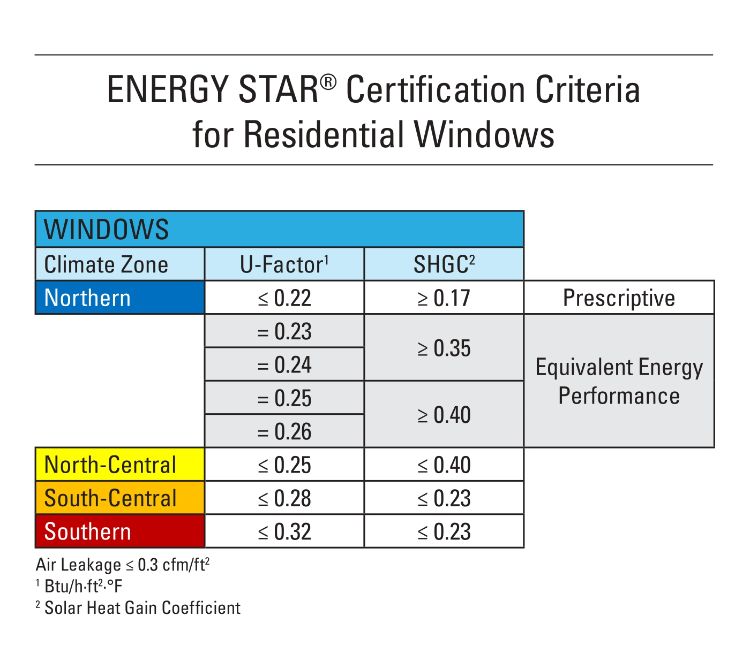
Image Source: ENERGY STAR®
Key performance factors include:
Other factors like frame material, glass coating, and the number of panes also play a role. For a more interactive view of how these elements affect performance in your region, check out the Efficient Windows Collaborative's selection tool.



Even the most efficient window style needs high-performance glass to deliver energy savings. That’s where Low-E (low emissivity) coatings make a huge difference.
Low-E glass has a microscopically thin metal layer that reflects heat and blocks UV rays, without darkening your view. It’s ideal for:
Combined with Argon gas fill between panes, Low-E coatings significantly boost your window’s insulation.
Some homeowners can achieve energy savings of up to 40% simply by switching to Low-E glass.
If your goal is to hold onto heat during cold months, here’s how different windows compare:
| Window Style | Typical U-Factor Range |
| Fixed | 0.17–0.25 |
| Casement | 0.20–0.30 |
| Awning | 0.25–0.35 |
| Double-Hung | 0.30–0.50 |
| Sliding | 0.35–0.55 |
The lower the U-Factor, the better your window keeps heat inside. Fixed and casement styles clearly outperform traditional sliding or double-hung options.

To help you compare window products confidently, the National Fenestration Rating Council (NFRC) offers standardized, third-party energy performance ratings for windows, doors, and skylights. Their certification label rates products based on:
Look for the NFRC label when shopping to make sure you're getting verified energy-efficient performance.

For the ultimate in energy efficiency, triple-pane windows with fiberglass frames and Low-E coatings offer outstanding insulation, durability, and protection from heat transfer. They're especially effective in climates with extreme heat or cold.
When selecting windows for your home, both the style and type of glass play a critical role in energy efficiency.
Fixed and casement windows offer the best performance thanks to their airtight design, while styles like double-hung or sliding may be better suited for milder climates but typically offer less insulation.
To reduce heat loss and cut energy costs, look for:
With the right combination, you’ll get year-round comfort, protection from fading, and noticeable savings on your utility bills.
Q: What style of window is most energy-efficient?
A: Fixed and casement windows generally offer the best energy performance due to their tight seals and lower air leakage.
Q: What is the best type of window to keep heat out?
A: Windows with Low-E coatings and a low SHGC rating block solar heat effectively. Fixed or casement styles with these features are ideal.
Q: What windows have the best R-value?
A: Triple-pane windows with insulated frames (like fiberglass or composite) provide the highest R-values, indicating strong resistance to heat flow.
Q: Are triple-pane or quad-pane windows worth it?
A: In extreme climates, yes. They offer superior insulation and noise reduction.
Q: Can Low-E windows really lower my energy bills?
A: Absolutely—especially when combined with argon gas and proper installation. Many homeowners see noticeable drops in monthly costs.
Q: What frame material is most efficient?
A: Vinyl, fiberglass, and composite frames typically insulate better than aluminum.
Q: How do I know if my windows need replacing?
A: Drafts, condensation, difficulty opening/closing, and rising energy bills are all signs.
At Conservation Construction, we specialize in Low-E replacement windows designed to handle the extreme swings in Colorado weather. Our windows feature:
Lifetime warranties back all windows, and many customers see up to 40% off their energy bills after upgrading.
We’re a family-owned window company with over 30 years of experience helping local homeowners. Since 2011, we’ve held an A+ rating with the BBB by focusing on quality, service, and lasting performance.
Let’s make your home more comfortable, efficient, and protected all year.
Thinking about upgrading your windows before selling your home? You’re probably wondering how much do new windows increase home value—and the answer depends on a few key factors. From energy savings to curb appeal, replacement windows offer more than just a fresh look. They can influence how buyers see your home and how much they’re willing to pay for it. But not all upgrades deliver the same return. Material type, installation quality, and design choices all play a role in how much value a window project actually adds.
In this blog, we’ll break down what really matters when it comes to window replacement and resale potential. If you're planning to sell soon or just want to invest in your property wisely, understanding the value windows bring is a smart place to start.
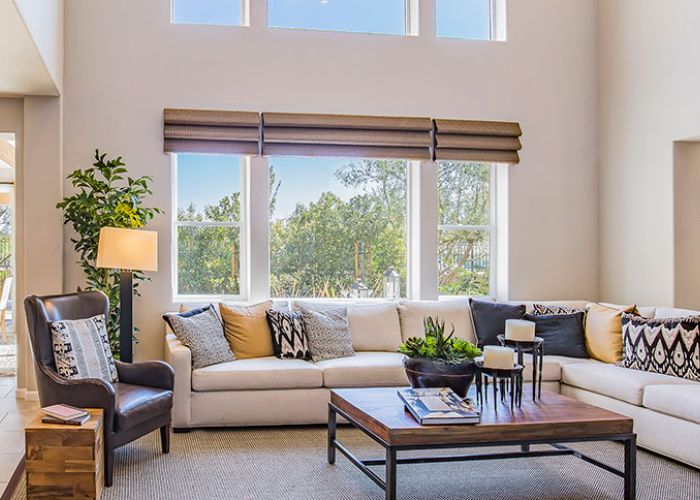
Replacing outdated windows can shift how buyers perceive your entire home. Fresh, well-installed windows suggest care, energy efficiency, and modern style. They also boost curb appeal from the moment someone pulls up to the house. In today’s market, small visual upgrades like this play a major role in how quickly a home sells—and at what price.
According to industry reports, new home windows typically deliver a return on investment between 65% and 75%. The exact return depends on several factors, including:
Material used (vinyl, wood, fiberglass)
Total number of windows replaced
Age and condition of the home
Regional real estate market trends
Homeowners who invest in window upgrades often see the value returned quickly, especially in competitive neighborhoods where buyers expect modern, low-maintenance features.
Windows are among the first details buyers notice—both inside and out. Modern replacements add value by:
Brightening interiors with more natural light
Replacing old, worn, or warped frames
Improving indoor comfort through better insulation
Reducing the need for immediate repairs after purchase
These changes make the entire home feel fresher and more cared for, which helps build buyer confidence. It’s a smart way to make a strong impression before the first tour even begins.
Energy efficiency is one of the top features buyers look for in a home, and windows play a big role in that decision. New windows help reduce heat loss in the winter and keep interiors cooler during the summer. That performance lowers utility bills and makes daily living more comfortable. Buyers often associate updated windows with a home that has been well cared for.
Energy performance plays a major role in how buyers evaluate a home. When windows lack insulation or leak air, comfort and cost quickly become concerns. Modern replacements solve that problem with smart upgrades that go far beyond the basic glass panes of older models. For homeowners looking to boost property value, the right energy-saving features are worth the investment.
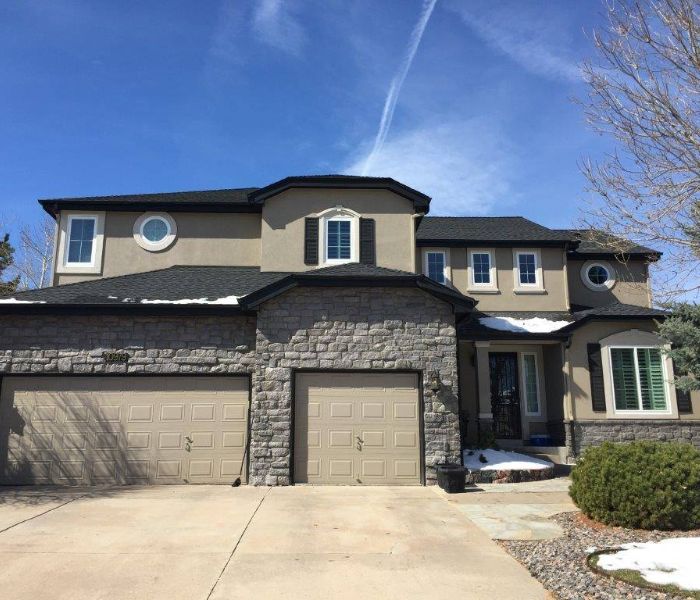
New window designs focus on reducing heat transfer, managing sunlight, and limiting drafts. Buyers pay attention to these features, especially when they’re trying to estimate long-term savings on energy bills. Homes that feel comfortable during a showing, without a noisy HVAC system constantly running, leave a better impression.
Some of the most valuable energy-efficient features include:
Double or triple-pane glass that adds layers of insulation
Low-E coatings that minimize solar heat while allowing natural light in
Gas fills, like argon or krypton, between panes to reduce thermal conductivity
High-performance weather stripping that seals gaps and prevents airflow
These elements do more than just make a room feel comfortable. They help maintain steady indoor temperatures year-round, lower utility costs, and reduce the strain on heating and cooling systems. Buyers see those advantages as immediate wins, especially when looking at homes with similar price points. Energy-saving windows offer peace of mind that lasts well beyond closing day.
A home’s exterior sets the tone before a potential buyer ever walks inside. Windows are one of the most visible and defining features, making them a key part of curb appeal. When they look clean, updated, and well-matched to the rest of the exterior, the entire property feels more put together. That first impression can spark interest before a showing even begins.
Modern windows come in a variety of styles, colors, and frame finishes that suit everything from classic builds to contemporary designs. Homeowners have more options than ever when it comes to customizing their look. From bold black frames that create contrast to softer tones that blend with trim and siding, the right window choice can pull an exterior together visually.
Outdated windows do the opposite. Peeling paint, fogged glass, and warped frames age the home immediately. They hint at deferred maintenance and leave buyers wondering what else needs to be replaced. New windows instantly reverse that effect by bringing a fresh, finished look that lifts the entire facade.
Windows affect how your home is judged during the appraisal process. When they show signs of wear or poor performance, they can pull down the overall value of the property. Appraisers look at more than style. They check for durability, insulation performance, and long-term reliability.
These window problems stand out to inspectors and appraisers:
Rot around the window frame or sill
Persistent drafts coming through closed windows
Fog or condensation between glass panes
Difficulty opening, closing, or locking
Visible warping, peeling, or cracked trim
During a walkthrough, appraisers take note of the window’s age, condition, and functionality. Older windows that lack efficiency or show signs of damage are seen as future repair costs. That affects how much the home is considered worth in its current state.
Buyers often respond quickly to window problems by lowering their offer or asking for credits. When they see outdated, damaged windows, they may start looking for other hidden issues. Instead of focusing on the home’s strengths, their attention shifts to what needs fixing, and that changes the entire tone of the deal.
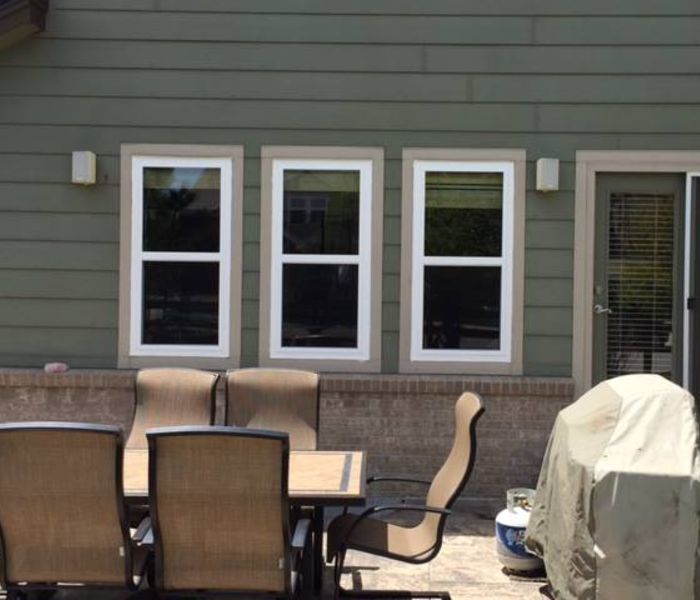
Window replacement is one of the few upgrades that brings both immediate benefits and long-term resale value. It improves comfort while you live in the home and offers a strong return when it’s time to sell. The key is knowing what you’re investing in and how to approach it strategically.
On average, homeowners spend between $600 and $1,200 per window, depending on size, material, and installation needs. Full-home window replacement projects may range from $8,000 to $15,000 for a standard property. Premium materials and custom designs may increase that number.
Window replacement usually offers a return on investment between 65 and 75 percent. Several factors influence the final value, including:
Market conditions in your area
Choice of material such as vinyl, wood, or fiberglass
Quality of installation and energy-saving features
Overall condition and appearance of the rest of the home
Homes in competitive markets often see stronger returns, especially when the windows contribute to a turnkey, move-in ready look.
Window replacement makes the most financial sense when the current ones are outdated, drafty, or visibly worn. It also pays off when buyers expect energy efficiency, modern design, and lower maintenance. If you're already updating siding, roofing, or exterior paint, pairing that work with new windows helps tie the whole look together and boost overall value.
New windows add more than resale value—they improve how a home feels and functions every day. Homeowners often notice the difference immediately, from quieter rooms to more consistent indoor temperatures. These upgrades go well beyond appearance and touch nearly every part of daily life at home.
Modern windows are built to block out heat, cold, and noise. The benefits show up quickly:
Better temperature control from room to room
Less outside noise filtering into the home
UV protection that helps protect furniture and flooring from fading
More natural light without the heat gain
These features create a more peaceful and consistent indoor environment.
Older windows often stick, peel, or collect moisture. New designs eliminate many of those problems. With weather-resistant frames and factory-applied finishes, today’s windows hold up longer and require less hands-on care.
Security has come a long way in window design. Updated models include improved locking mechanisms, stronger glass, and tighter seals. These small upgrades help homeowners feel safer while adding another layer of appeal for future buyers.
Modern windows do more than look good. They deliver everyday benefits that increase comfort, reduce stress, and make homeownership easier overall.
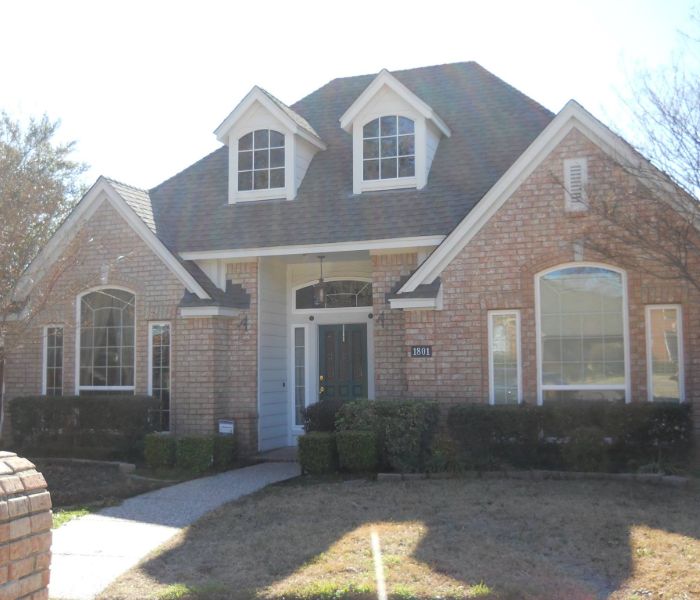
High-quality windows only perform as well as their installation allows. Even the best materials fall short if frames are uneven, seals are loose, or the glass is improperly fitted. Poor installation can lead to drafts, leaks, and a drop in energy performance—all of which cut into the return on investment.
When window installs are rushed or handled without care, issues start to show quickly:
Reduced energy efficiency due to air leakage
Misaligned frames that cause sticking or sagging
Water intrusion that leads to hidden damage
Shortened lifespan of the window unit itself
These problems hurt both comfort and home value.
At Conservation Construction, we handle every part of the window installation process with attention to detail. Our team begins with careful measurements and expert recommendations based on your home’s layout. Once materials are selected, we install each unit with a clean, efficient process that protects your home throughout.
We work with trusted window manufacturers and materials tested to last. Installers arrive on time, keep workspaces tidy, and communicate clearly throughout the job. From the first appointment to the final walkthrough, everything we do reflects our commitment to long-term results and satisfied homeowners.
Great windows deserve great installation. That’s where real value comes from—what we deliver.
New windows do more than freshen up a space. They add lasting value, improve energy efficiency, and help your home stand out to future buyers. If your current windows are showing signs of age or affecting comfort, now is the time to consider an upgrade. Even a single improvement can make a noticeable difference in how your home looks and feels.
Conservation Construction brings trusted expertise and a smooth installation process tailored to your needs. Our team will guide you through materials, styles, and features that align with your home’s character and performance goals.
To see how upgrades beyond windows can boost resale potential, read our blog, Increase Home Value Inside To Outside, and learn how exterior improvements strengthen overall property value.
Get in touch today to schedule your free consultation. See what high-quality windows can do for your home’s comfort, curb appeal, and overall value.
If you're researching ways to improve your home's comfort and lower your utility bills, you’ve likely come across the term energy efficient windows. But what are energy-efficient windows, and why do so many homeowners consider them a smart investment? These windows are designed with advanced features that help reduce heat transfer, keeping your indoor spaces more stable in temperature throughout the year. With rising energy costs and unpredictable weather—especially in places like Colorado—energy efficiency has become a top priority for many households. Unlike standard windows, which often allow heat to escape or enter freely, energy-efficient models use multiple panes of glass, insulating gas fills, and special coatings that work together to improve performance. Whether you're building a new home or considering replacing old windows, understanding how these windows function and their benefits can help you make a more informed choice.
What are energy-efficient windows? Learn how they reduce energy costs, improve comfort, and protect your home year-round. See why they’re a smart investment for Colorado homeowners.
In this post, we’ll break down how energy-efficient windows work, the features that matter most, and what to look for when choosing the right options for your home.

Energy-efficient windows are built with specific technologies that reduce heat transfer, helping your home stay cooler in the summer and warmer in the winter. These windows do more than just add a modern look—they actively work to lower energy use and improve indoor comfort. Let’s look at the three main components that contribute to their performance.
The insulated glass unit, or IGU, is at the core of an energy-efficient window. These units use two or three panes of glass instead of one, creating layers that act as barriers to heat transfer. Each pane slows down the amount of heat that passes through the window.
Between these panes, a safe, invisible gas—typically argon or krypton—fills the space. This gas is denser than air and adds insulation, helping to reduce heat loss in the winter and heat gain during the summer. Together, the multiple panes and gas fills form a powerful layer of defense against outdoor temperatures.
Low-emissivity (Low-E) coatings are another key feature found in energy-efficient windows. These microscopic coatings are applied to the glass surface and help reflect infrared light, the heat energy that can warm up your home on sunny days.
By reflecting this heat away from your home in the summer and keeping it inside during the winter, Low-E coatings help maintain a consistent indoor temperature. They also reduce the harmful UV rays that pass through, protecting flooring, furniture, and artwork from fading over time.
The type of frame surrounding the glass is important in how well the window performs. Materials like vinyl, fiberglass, and composite are popular for energy-efficient windows because they offer strong thermal resistance and long-term durability.
Vinyl frames are cost-effective and provide solid insulation, while fiberglass and composite frames tend to be stronger and more stable in fluctuating temperatures. Regardless of the material, a well-constructed frame with proper sealing helps prevent air leaks and drafts, essential for maintaining efficiency and keeping your home comfortable year-round.
Not all energy-efficient windows are created equal. To get the best performance, it’s important to understand which features contribute to energy savings. These key elements can help you compare options and make a more informed decision when upgrading.
One of the simplest ways to spot a quality window is by checking for the Energy Star label. This government-backed certification is awarded to products that meet strict energy efficiency guidelines based on your climate zone. Windows with this label are tested for performance and help reduce energy usage without sacrificing functionality or style.
Two of the most important performance ratings to understand are the U-factor and the Solar Heat Gain Coefficient (SHGC). The U-factor measures how well a window keeps heat from escaping your home. Lower numbers indicate better insulation. SHGC measures how much solar heat is allowed through the glass. In warmer climates, a lower SHGC helps keep interiors cooler. A well-balanced window will have ratings that fit the specific energy needs of your region.
Even the best glass won't perform well if the components holding it together are weak. High-quality spacers between the panes help maintain the correct distance and improve thermal insulation. Durable seals prevent air leakage and keep insulating gases locked in. Over time, these small details play a big role in how efficiently your windows perform and how long they last.

Upgrading to energy-efficient windows offers environmental benefits and direct improvements to your home’s comfort, value, and daily livability. From saving on utility costs to creating a quieter, more enjoyable space, the advantages are easy to see once these high-performing windows are in place.
One of the biggest reasons homeowners switch to energy-efficient windows is the noticeable impact on heating and cooling costs. With insulated glass, low-E coatings, and tighter seals, these windows help your HVAC system work less by reducing heat transfer. That means lower monthly bills and less strain on your home’s energy usage throughout the year.
Temperature swings can make certain rooms uncomfortable or hard to use. Energy-efficient windows help regulate indoor temperatures by blocking excess heat in the summer and retaining warmth in the winter. The result is a more stable, comfortable environment in every room, no matter the season.
Harmful UV rays don’t just affect your skin—they can also fade hardwood floors, furniture, rugs, and artwork. Low-E coatings on energy-efficient windows reduce UV penetration, helping protect the things you love inside your home while still letting in plenty of natural light.
Energy-efficient windows also help reduce unwanted outside noise. Multiple panes of glass and gas fills create a barrier that reduces sound transfer, making your home quieter and more peaceful. This is especially valuable if you live near a busy street, school, or airport.

Living in Colorado means dealing with a climate that changes fast and often. Homeowners experience everything from snowstorms to intense summer heat—sometimes within the same week. That makes window performance critical to maintaining a comfortable, energy-efficient home throughout the year.
Colorado’s dramatic weather shifts can seriously strain heating and cooling systems. Energy-efficient windows help ease that burden by minimizing heat loss in the winter and limiting heat gain in the summer. Their multi-pane construction and insulating features stabilize indoor temperatures, reducing the need to adjust the thermostat constantly.
Homes at higher elevations or with lots of sun exposure face added challenges regarding UV rays and insulation. Low-E coatings on energy-efficient windows reflect solar heat without blocking natural light, which helps reduce indoor glare and keeps rooms cooler. Combined with insulating gas fills and quality frames, these windows offer the year-round thermal protection Colorado homes demand.
Not all windows are built for mountain weather. Colorado homeowners benefit from window systems specifically designed for the region’s conditions. From frame materials that resist warping to seals that hold strong through freeze-thaw cycles, energy-efficient windows built for Colorado help reduce energy costs, increase comfort, and protect your investment in the long run.
Choosing between standard and energy-efficient windows? The differences go well beyond appearance. Here’s how they compare where it counts.
Standard windows may meet the bare minimum for function but often lack the technology needed to perform well in changing climates. Common drawbacks include:
Energy-efficient windows are designed to solve those common pain points. They improve how your home handles heat, cold, and sunlight while reducing energy waste. With multiple panes, low-E coatings, and insulating gas fills, they work smarter from the inside out.
Cost to Install: Slightly higher than standard windows
Energy Savings: Lower utility bills over time
Durability: Designed to last longer with fewer issues
Home Appeal: More attractive to future buyers
When you consider long-term comfort, performance, and investment, energy-efficient windows offer a level of protection and value that basic models simply can’t match.

Old or failing windows often show signs that are easy to overlook—until they start affecting your comfort, energy bills, or daily routine. Knowing what to watch for can help you decide when a replacement is more than a cosmetic upgrade.
If you feel cold air coming through closed windows or see fog between the panes, that indicates broken seals or insulation failure. These issues let outdoor and indoor air in, making it harder to keep your home comfortable.
A sudden or gradual spike in heating and cooling costs can be directly tied to poor window performance. When windows no longer insulate properly, your HVAC system must work harder to maintain temperature, costing you more monthly.
Windows should open and close smoothly. If they stick, jam, or don’t stay in place, the frames or hardware may have warped or worn out over time. That’s not just inconvenient—it can also pose a safety concern.
Peeling paint, cracked glass, water stains, or rotting wood are clear signs that your windows are past their prime. Even if they still technically function, damage like this compromises their performance and curb appeal.
If your windows show one or more signs, it may be time to consider replacement. Modern energy-efficient models offer better insulation, smoother operation, and lasting durability that outdated windows can’t match.

Picking out new windows isn’t just about energy performance—it’s also about finding the right style, fit, and installation team to make the upgrade worthwhile. Energy-efficient windows come in many options, and choosing the right combination can greatly affect how your home looks, feels, and functions.
Before choosing a window, consider how it needs to perform and how you want it to look. Some windows offer better ventilation, while others focus on maximizing natural light or boosting curb appeal. A few things to weigh:
Taking time to weigh these elements ensures you’re investing in the right window for your goals.
The layout of your home influences which window styles make the most sense. For example:
Thinking through how each window will function in its space helps create a cohesive and practical home.
Choosing the right product is only half the equation. Proper installation is what brings all those benefits to life. A skilled installer will:
Working with a reputable window company means you get expert guidance from selection to final walkthrough—making the process stress-free and the results worth every penny.

At Conservation Construction, we’ve spent decades working with Colorado homeowners, so we understand exactly what a window needs to handle—from sudden snow to blazing summer sun. That’s why we don’t offer off-the-shelf solutions. We install high-performance, energy-efficient windows tailored for the region’s tough and often unpredictable climate.
Our custom window systems feature multi-pane glass, advanced low-E coatings, and insulating gas fills that work together to reduce energy loss and improve year-round comfort. We also work exclusively with trusted brands known for their quality, durability, and long-term performance. Every product we install is backed by strong warranties, including additional protection against glass breakage and screen damage—with labor included.
Choosing energy-efficient windows is more than just a home improvement—it is a smart investment in lower energy bills, increased home value, and a more comfortable living space. If you're ready to upgrade, we’ll walk you through the options and help you find the perfect fit for your home.
Contact Conservation Construction in Denver today for your free in-home consultation and discover how much better your home can feel with the right windows.
Mixing window styles in a home can add character and visual appeal, but many homeowners worry that combining different designs might look mismatched. While uniform windows create a cohesive appearance, carefully chosen variations can highlight architectural features and improve functionality. The key is finding a balance with the home’s structure and style. Factors like frame materials, trim colors, and window placement create a seamless look and say yes to "Can you mix window styles in a home." Professionals use strategic design choices to blend styles without disrupting the home’s aesthetic. Whether the goal is maximizing natural light, improving airflow, or creating a focal point, the right combination of windows can elevate both form and function.
Yes, you can mix window styles in a home to enhance both aesthetics and functionality. By selecting complementary designs, maintaining consistency in frame materials, and considering architectural flow, homeowners can create a cohesive look that adds character and value.
Knowing what works—and what to avoid—helps homeowners confidently mix window styles to complement their space. Exploring expert tips and common mistakes can make all the difference when planning a home’s window design.

Choosing various window styles can add character and function to a home. Instead of sticking to a single design, many homeowners opt for a mix to highlight different architectural features and meet practical needs. A well-thought-out combination for your window replacement can transform the overall look while improving everyday comfort.
Striking the right balance between aesthetics and function creates a home that looks intentional rather than mismatched. The key is choosing styles that work together rather than compete for attention.
Selecting different window styles requires careful planning to maintain a balanced look. Without a clear strategy, mismatched designs can make a home feel uncoordinated. Paying attention to key design elements helps achieve a polished result.

Windows should complement the home’s overall architecture rather than compete with it. A contemporary house often pairs well with sleek, expansive glass, while traditional homes benefit from classic grid patterns or arched windows.
Even with varying window styles, using the same frame material, color, and trim creates a unified appearance. Mixing too many finishes or contrasting colors can make windows feel out of place.
Different rooms have different needs:
Focusing on these details helps create a seamless blend of styles that feels intentional and well-designed.
Pairing different window styles can improve both aesthetics and function. Some combinations naturally complement each other, offering a mix of ventilation, natural light, and visual appeal. Choosing the right pairings helps maintain a balanced look while meeting practical needs.

✔ Double-Hung + Picture Windows – A timeless choice allowing airflow while maximizing outdoor views. The fixed picture window acts as a centerpiece, while double-hung windows on either side provide ventilation.
✔ Casement + Bay or Bow Windows – Casement windows open outward for fresh air, making them a great match for bay or bow windows, which create depth and architectural interest.
✔ Awning + Large Fixed Windows – A perfect combination for modern homes. Fixed windows provide uninterrupted views, while awning windows above or below allow fresh air in without compromising style.
Mixing the right styles can elevate a home’s design and improve functionality. Selecting combinations that serve both form and purpose ensures a polished and cohesive result.
Blending different window styles can add character, but certain missteps can leave a home looking unbalanced or disjointed. Avoiding common mistakes ensures a visually appealing and functional result.

Mixing too many different window designs can create a chaotic look. Instead of achieving a curated aesthetic, the home may appear mismatched. Stick to a few complementary styles that work together rather than introducing too much variation.
Windows plays a major role in insulation and energy use. Choosing styles without considering efficiency can lead to heat loss in winter or excessive heat gain in summer. When combining different window types, factor in glazing, frame materials, and energy ratings to maintain comfort and lower utility costs.
A home’s design should guide window selection when deciding can you mix window styles in a home. Installing ultra-modern windows in a historic-style house or ornate windows in a minimalist home can feel out of place. Keeping window choices in sync with the home’s structure preserves its harmony.
By avoiding these pitfalls, homeowners can mix window styles that feel intentional and well-integrated.

Mixing different window styles can add interest to a home, but without the right approach, it may feel uncoordinated. Thoughtful planning helps create a seamless design that blends various styles without clashing.
Even with different window types, matching frame materials and colors prevents a disjointed appearance. Whether choosing vinyl, wood, or aluminum, uniformity in these elements helps tie everything together.
Windows don’t have to be identical, but maintaining some level of symmetry enhances curb appeal. Aligning window heights, shapes, or placements keeps the exterior looking polished rather than random.
When asking if you can mix window styles in a home, the answer depends on design choices. Professionals consider architectural flow, energy efficiency, and aesthetics to create a layout that works. If incorporating multiple styles, expert guidance can help prevent costly mistakes.
These strategies allow homeowners to mix window styles while maintaining a cohesive and intentional look.

The right combination of window styles can elevate a home’s appearance while improving natural light, ventilation, and efficiency. Thoughtfully blending different designs allows homeowners to highlight architectural features and create a customized look that suits their space.
Working with a professional helps ensure window choices complement each other rather than compete. From selecting the best pairings to maintaining consistency in materials and colors, expert guidance can make all the difference in achieving a seamless result.
If you’re considering new windows and wondering, can you mix window styles in a home, the answer is yes—with the right approach. Conservation Construction in Denver provides expert window installation services to help homeowners create a stunning, functional design. Contact our team today to explore the best window options for your home!
For professional guidance on choosing and installing the right windows, read our blog, Home Window Replacement Experts, and learn what sets experienced installers apart.